
Viterbi Algorithm: Dynamic Programming, Algorithm, Likelihood Function, Markov Information Source, Hidden Markov Model, Information Theory, Error Detection and Correction -


-25% ar kodu BOOKS
Piegāde 15-21 darba dienu laikā
30 dienu atgriešanas politika
Please note that the content of this book primarily consists of articles available from Wikipedia or other free sources online. The Viterbi algorithm is a dynamic programming algorithm for finding the most likely sequence of hidden states - called the Viterbi path - that results in a sequence of observed events, especially in the context of Markov information sources, and more generally, hidden Markov model ... Pilns apraksts
Jums varētu patikt arī
 TOP
TOP

Six Not-so-easy Pieces: Einstein's Relativity, Symmetry, and Space-Time
Richard P. Feynman, Robert B. Leighton, Matthew Sands
-25% ar kodu BOOKS
Piegādātāja noliktavā
TOP

Six Easy Pieces: Essentials of Physics Explained by Its Most Brilliant Teacher
Richard P. Feynman, Robert B. Leighton, Matthew Sands
-25% ar kodu BOOKS
Piegādātāja noliktavā
TOP

Astrophysics for People in a Hurry: Essays on the Universe and Our Place Within It
-25% ar kodu BOOKS
Piegādātāja noliktavā
TOP
Behave: The Biology of Humans at Our Best and Worst
-25% ar kodu BOOKS
Piegādātāja noliktavā
TOP
The Rise and Fall of the Dinosaurs: A New History of a Lost World
-25% ar kodu BOOKS
Piegādātāja noliktavā
TOP
The Rise and Reign of the Mammals: A New History, from the Shadow of the Dinosaurs to Us
-25% ar kodu BOOKS
Piegādātāja noliktavā
TOP

Determined: The Science of Life Without Free Will
-25% ar kodu BOOKS
Piegādātāja noliktavā
 TOP
TOP

Beyond Inheritance: Our Ever-Mutating Cells and a New Understanding of Health
-25% ar kodu BOOKS
Piegādātāja noliktavā
TOP

The Age of Alchemy: How Early Innovators Shaped Modern Chemistry
-25% ar kodu BOOKS
Piegādātāja noliktavā
TOP
The Secrets of our DNA: How Genetics has Changed the World
-25% ar kodu BOOKS
Piegādātāja noliktavā
TOP
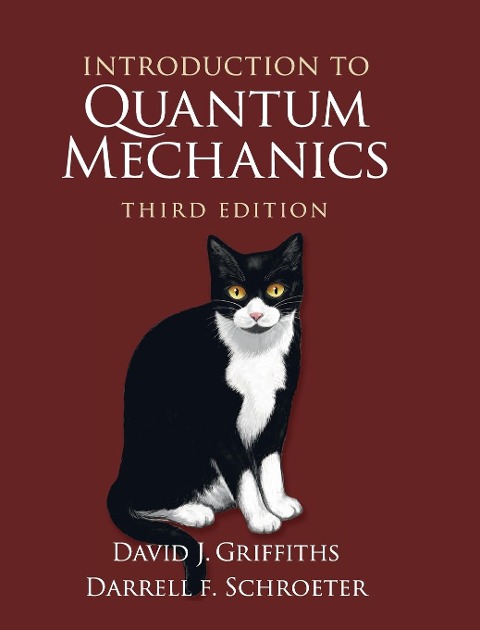
Introduction to Quantum Mechanics
Darrell F. Schroeter, David J. Griffiths
-25% ar kodu BOOKS
Piegādātāja noliktavā
TOP
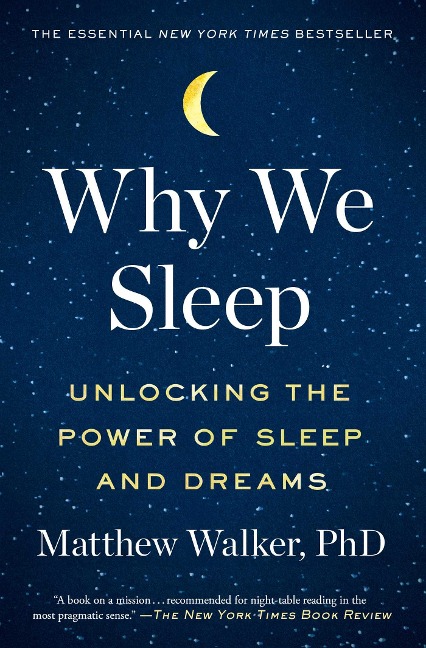
Why We Sleep: Unlocking the Power of Sleep and Dreams
-25% ar kodu BOOKS
Noliktavā
TOP
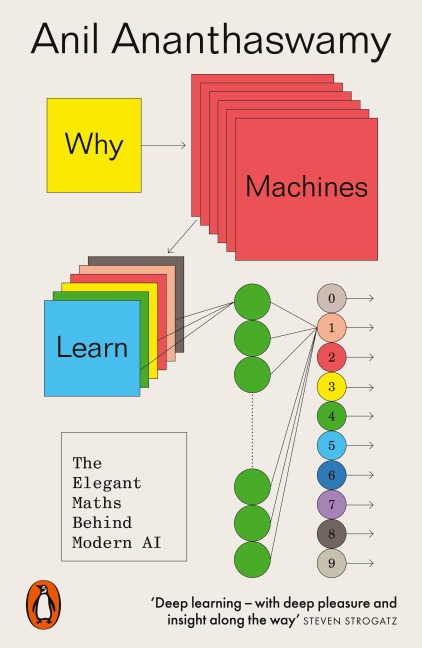
Why Machines Learn: The Elegant Maths Behind Modern AI
-25% ar kodu BOOKS
Piegādātāja noliktavā
TOP
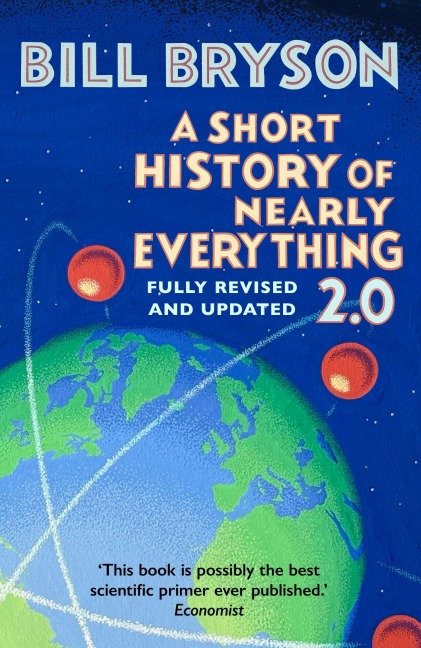
A Short History of Nearly Everything 2.0
-25% ar kodu BOOKS
Piegādātāja noliktavā
TOP

A Brief History of Time: From the Big Bang to Black Holes
-25% ar kodu BOOKS
Piegādātāja noliktavā

 TOP
TOP

How to Solve it: A New Aspect of Mathematical Method
-25% ar kodu BOOKS
Piegādātāja noliktavā
TOP

Thing Explainer: Complicated Stuff in Simple Words
-25% ar kodu BOOKS
Piegādātāja noliktavā
Aprašymas
Vairāk informācijas
| Izdevējs | OmniScriptum |
|---|---|
| Izlaides gads | 2026 |
| Vāka tips | Mīkstais vāks |
| EAN | 9786130355128 |