
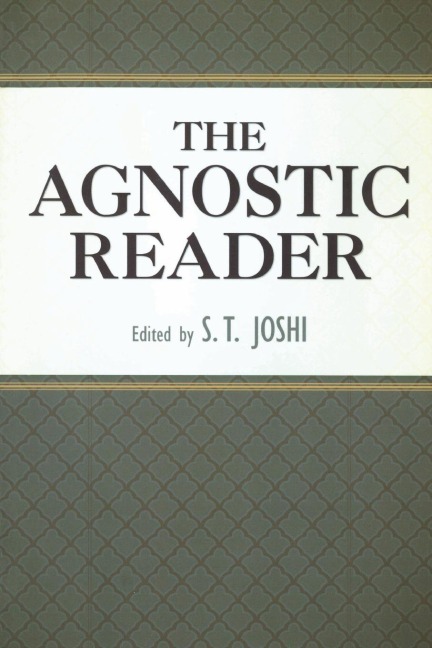
The Agnostic Reader -
-35% ar kodu BOOKS
Piegāde 10-16 darba dienu laikā
30 dienu atgriešanas politika
Agnosticism - the philosophical argument that it is impossible to know whether God exists or not - has been the point of view of many distinguished thinkers from the 19th century to the present. In contrast to atheism, which asserts that God does not exist, agnosticism holds that reason and the best scientific evidence do not allow one to reach a decisive conclusion regarding the existence of God. This read ... Pilns apraksts
Jums varētu patikt arī
 TOP
TOP
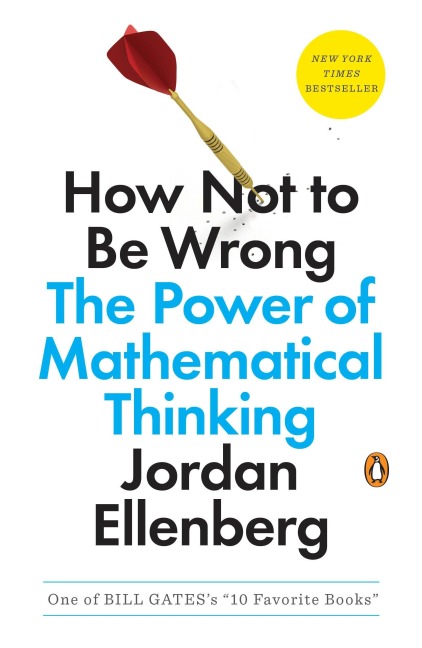
How Not to Be Wrong: The Power of Mathematical Thinking
-35% ar kodu BOOKS
Piegādātāja noliktavā
 TOP
TOP

Ikigai: The Japanese secret to a long and happy life
Francesc Miralles, Héctor García
-35% ar kodu BOOKS
Noliktavā
TOP
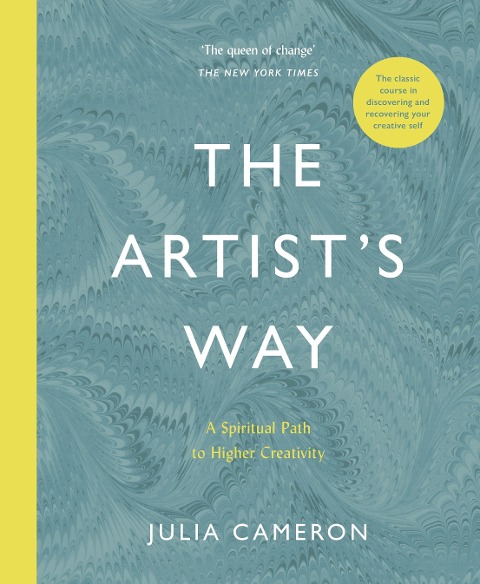
The Artist's Way: A Spiritual Path to Higher Creativity
-35% ar kodu BOOKS
Piegādātāja noliktavā

 TOP
TOP

The Power of Now: A Guide to Spiritual Enlightenment
-35% ar kodu BOOKS
Noliktavā
TOP

The Holy Bible - King James Version (KJV): Popular Gift & Award Black Leatherette Edition
-35% ar kodu BOOKS
Piegādātāja noliktavā
TOP
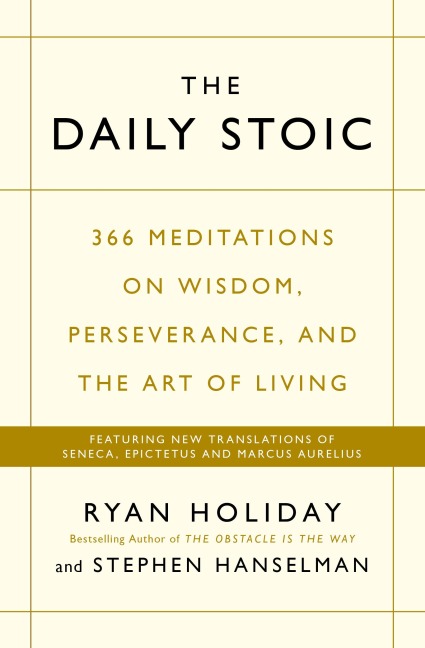
The Daily Stoic: 366 Meditations on Wisdom, Perseverance, and the Art of Living: Featuring new translations of Seneca, Epictetus, and Marcus Aurelius
Stephen Hanselman, Ryan Holiday
-35% ar kodu BOOKS
Noliktavā
TOP


Original Sin: The Genetics of Wrongdoing, the Problem of Blame and the Future of Forgiveness
-35% ar kodu BOOKS
Piegādātāja noliktavā
TOP

The Art of War & Other Classics of Eastern Philosophy
Mencius, Lao-Tzu, Confucius, Sun Tzu
-35% ar kodu BOOKS
Piegādātāja noliktavā
TOP
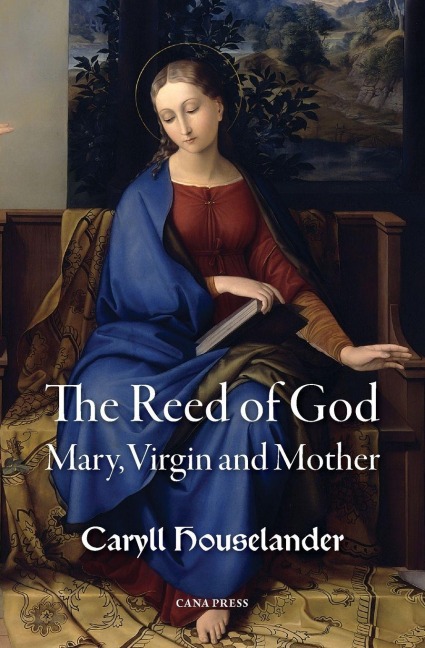
The Reed of God: Mary, Virgin and Mother
-35% ar kodu BOOKS
Piegādātāja noliktavā
TOP

Antifragile: Things That Gain from Disorder
-35% ar kodu BOOKS
Piegādātāja noliktavā
TOP

The Café on the Edge of the World: A Story About the Meaning of Life
-35% ar kodu BOOKS
Piegādātāja noliktavā
TOP
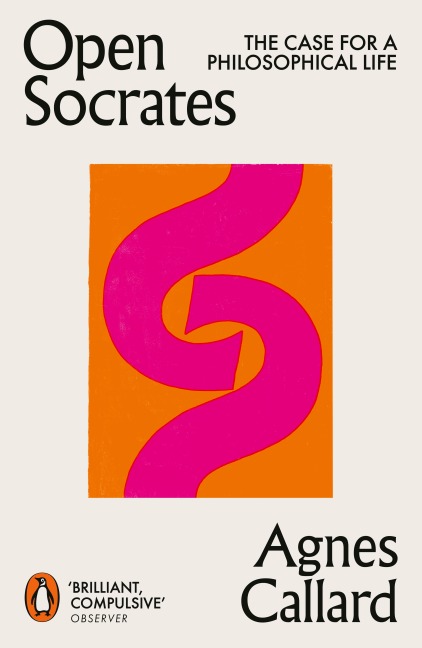
Open Socrates: The Case for a Philosophical Life
-35% ar kodu BOOKS
Piegādātāja noliktavā
TOP

Thus Spoke Zarathustra: A Book for Everyone and No One
-35% ar kodu BOOKS
Piegādātāja noliktavā
 TOP
TOP
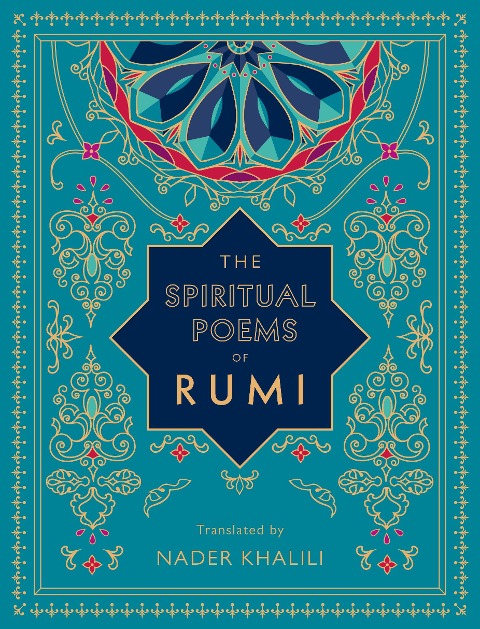
The Spiritual Poems of Rumi: Translated by Nader Khalili
-35% ar kodu BOOKS
Piegādātāja noliktavā
Aprašymas
Agnosticism - the philosophical argument that it is impossible to know whether God exists or not - has been the point of view of many distinguished thinkers from the 19th century to the present. In contrast to atheism, which asserts that God does not exist, agnosticism holds that reason and the best scientific evidence do not allow one to reach a decisive conclusion regarding the existence of God. This reader prints selections of some of the most profound and pioneering discussions of agnosticism over the past two centuries. Beginning with early formulations of the agnostic perspective by Thomas Henry Huxley (who coined the term agnostic), Bertrand Russell, and others, editor S. T. Joshi shows how agnosticism received a strong boost in the later 19th century from the so-called higher criticism of the Bible. Selections from Edward Burnett Tylor, Arthur Schopenhauer, Robert G. Ingersoll, and Edward Westermarck made a strong case that religion was a natural product of primitive development and that the Bible was the product of an age of scientific ignorance and superstition. By the late 19th and early 20th centuries, Christianity in Europe was in a state of decline among the intellectual classes. The writings of W. E. H. Leckey, Leslie Stephen, and Walter Lippmann show that leading commentators were openly pondering a European society in which Christianity was a thing of the past. The increasing success of the natural sciences during this same time period supported the agnostic viewpoint by accounting for phenomena on a natural, rather than a supernatural, basis. Selections from John William Draper, Albert Einstein, Isaac Asimov, and others demonstrate the scientific respectability of agnosticism. Finally, selections from such thinkers as Frederic Harrison, H. L. Mencken, and Corliss Lamont emphasize how living with agnosticism can be intellectually and morally satisfying, even exhilarating. Overall, The Agnostic Reader shows how agnosticism can provide a framework for living with courage and dignity.
Vairāk informācijas
| Izdevējs | Prometheus |
|---|---|
| Izlaides gads | 2007 |
| Vāka tips | Mīkstais vāks |
| EAN | 9781591025337 |