
Solid-state computer storage -
-25% ar kodu BOOKS
Piegāde 12-18 darba dienu laikā
30 dienu atgriešanas politika
Source: Wikipedia. Pages: 40. Chapters: Aloaha, Bad sector, Flash memory controller, Garbage collection (computer science), IOdrive, Kaminario, List of flash memory controller manufacturers, List of solid-state drive manufacturers, NVM Express, TRIM, Universal Flash Storage, USB flash drive, USB flash drive security, Violin Memory, Wear leveling, Write amplification. Excerpt: A solid-state drive (SSD) (also ... Pilns apraksts
Jums varētu patikt arī
 TOP
TOP

Gödel, Escher, Bach: An Eternal Golden Braid
-25% ar kodu BOOKS
Piegādātāja noliktavā
TOP

Empire of AI: Dreams and Nightmares in Sam Altmans OpenAI
-25% ar kodu BOOKS
Piegādātāja noliktavā
TOP


The Rust Programming Language
Steve Klabnik, Carol Nichols, Chris Krycho
-25% ar kodu BOOKS
Piegādātāja noliktavā
TOP
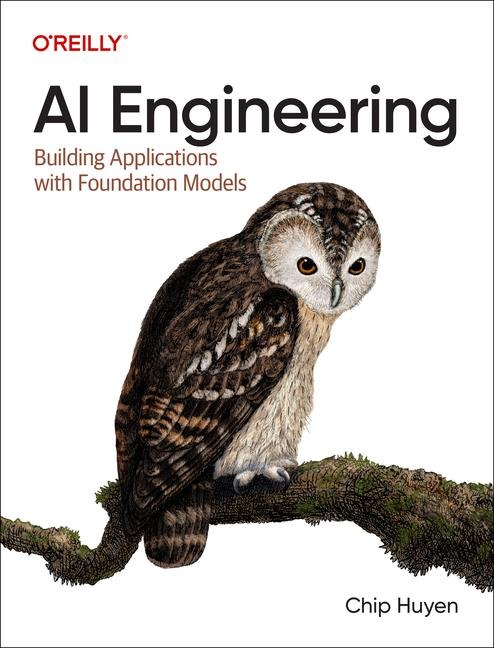
AI Engineering: Building Applications with Foundation Models
-25% ar kodu BOOKS
Piegādātāja noliktavā
TOP
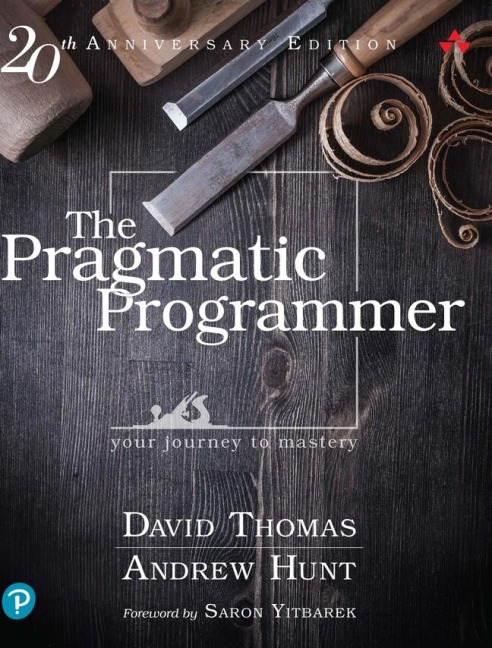
The Pragmatic Programmer: journey to mastery, 20th Anniversary Edition, 2/e: your journey to mastery, 20th Anniversary Edition
-25% ar kodu BOOKS
Piegādātāja noliktavā
TOP

How Linux Works: What Every Superuser Should Know
-25% ar kodu BOOKS
Piegādātāja noliktavā
TOP
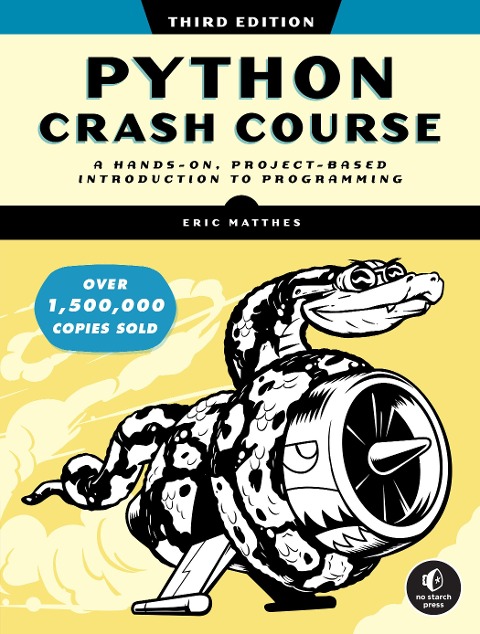
Python Crash Course: A Hands-On, Project-Based Introduction to Programming
-25% ar kodu BOOKS
Piegādātāja noliktavā
TOP
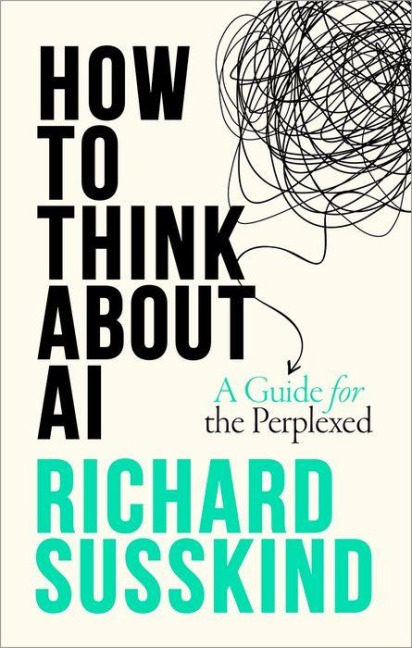
How To Think About AI: A Guide For The Perplexed
-25% ar kodu BOOKS
Piegādātāja noliktavā
TOP
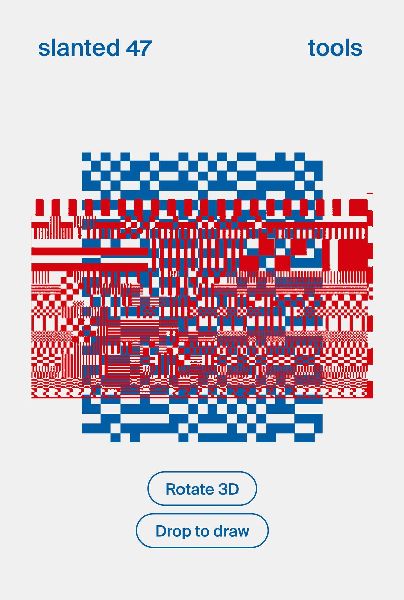
Slanted 47 Digital Tools: Slanted Magazine
-25% ar kodu BOOKS
Piegādātāja noliktavā
TOP

Proofs from THE BOOK
Martin Aigner, Günter M. Ziegler
-25% ar kodu BOOKS
Piegādātāja noliktavā
TOP
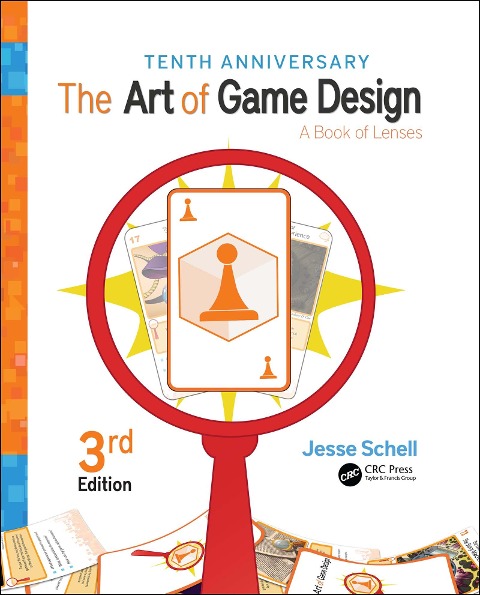
The Art of Game Design: A Book of Lenses
-25% ar kodu BOOKS
Piegādātāja noliktavā
TOP

CompTIA Security+ Certification Kit: Exam SY0-701
-25% ar kodu BOOKS
Piegādātāja noliktavā
TOP
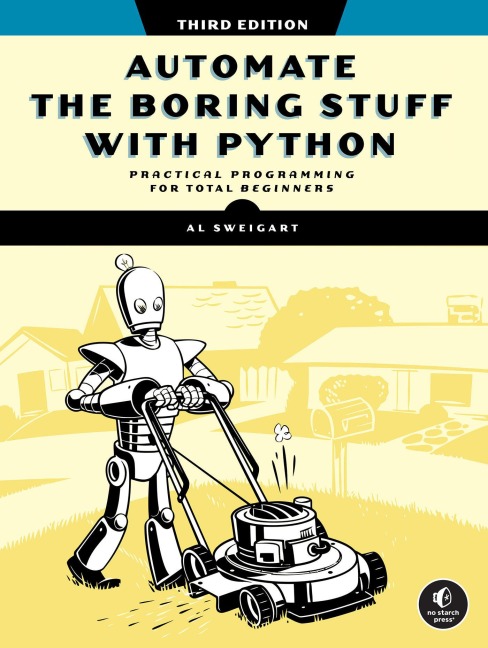
Automate the Boring Stuff with Python
-25% ar kodu BOOKS
Piegādātāja noliktavā
TOP
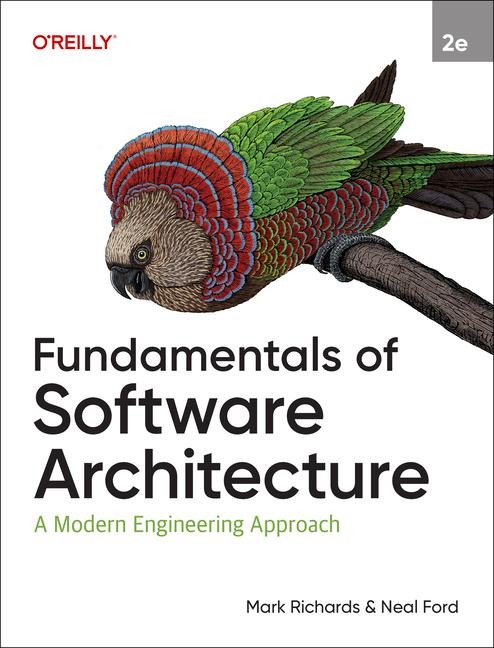
Fundamentals of Software Architecture: A Modern Engineering Approach
-25% ar kodu BOOKS
Piegādātāja noliktavā
TOP
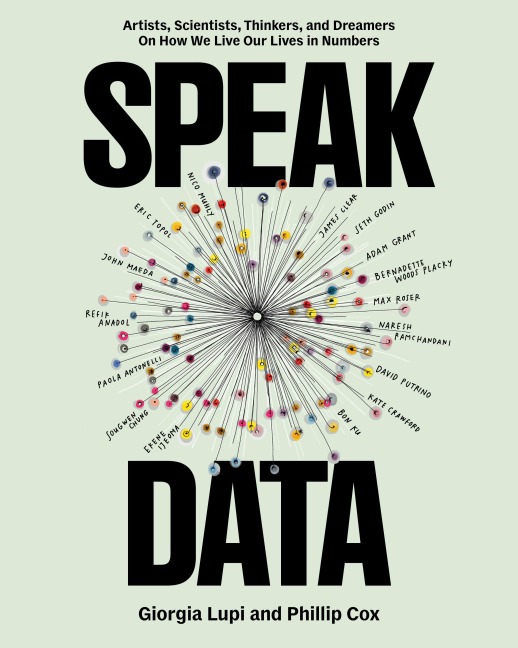
Speak Data: Artists, Scientists, Thinkers, and Dreamers on How We Live Our Lives in Numbers
-25% ar kodu BOOKS
Piegādātāja noliktavā
 TOP
TOP
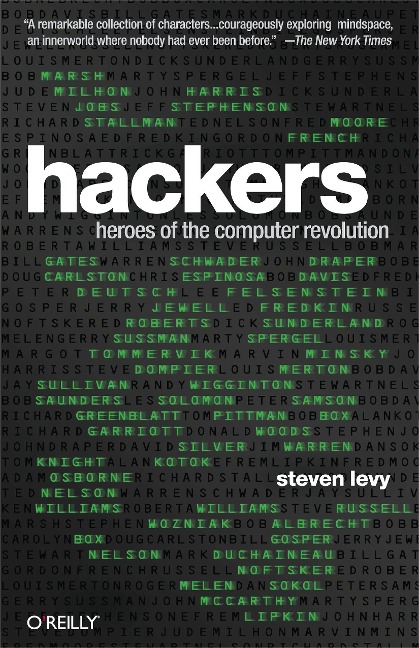
Hackers. 25th Anniversary Edition: Heroes of the Computer Revolution
-25% ar kodu BOOKS
Piegādātāja noliktavā
TOP

Deep Learning
Ian Goodfellow, Yoshua Bengio, Aaron Courville
-25% ar kodu BOOKS
Piegādātāja noliktavā
TOP

Mathematics for Machine Learning
Cheng Soon Ong, A. Aldo Faisal, Marc Peter Deisenroth
-25% ar kodu BOOKS
Piegādātāja noliktavā
TOP
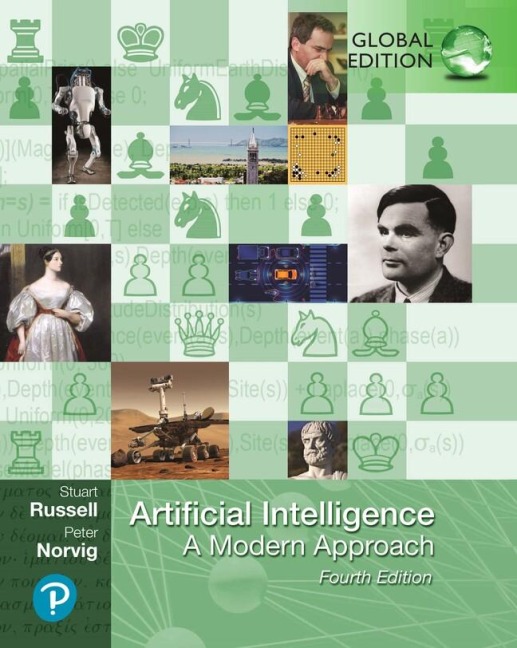
Artificial Intelligence: A Modern Approach, Global Edition
-25% ar kodu BOOKS
Piegādātāja noliktavā
Aprašymas
Source: Wikipedia. Pages: 40. Chapters: Aloaha, Bad sector, Flash memory controller, Garbage collection (computer science), IOdrive, Kaminario, List of flash memory controller manufacturers, List of solid-state drive manufacturers, NVM Express, TRIM, Universal Flash Storage, USB flash drive, USB flash drive security, Violin Memory, Wear leveling, Write amplification. Excerpt: A solid-state drive (SSD) (also known as a solid-state disk or electronic disk, though it contains no actual "disk" of any kind) is a data storage device using integrated circuit assemblies as memory to store data persistently. SSD technology uses electronic interfaces compatible with traditional block input/output (I/O) hard disk drives. SSDs have no moving mechanical components, which distinguish them from traditional electromechanical magnetic disks such as hard disk drives (HDDs) or floppy disks, which contain spinning disks and movable read/write heads. Compared with electromechanical disks, SSDs are typically less susceptible to physical shock, much quieter, have lower access time, and less latency. However, while the price of SSDs has continued to decline in 2012, SSDs are still about 7 to 8 times more expensive per unit of storage than HDDs. Many SSDs use I/O interfaces developed for hard disk drives, thus permitting simple replacement in common applications. As of 2010, most SSDs use NAND-based flash memory, which retains data without power. For applications requiring fast access, but not necessarily data persistence after power loss, SSDs may be constructed from random-access memory (RAM). Such devices may employ separate power sources, such as batteries, to maintain data after power loss. Hybrid drives or solid state hybrid drives (SSHD) combine the features of SSDs and HDDs in the same unit, containing a large hard disk drive and an SSD cache to improve performance of frequently accessed data. These devices may offer near-SSD performance for many applications. SSDs had origins in the 1950s with two similar technologies: magnetic core memory and card capacitor read-only store (CCROS). These auxiliary memory units (as contemporaries called them) emerged during the era of vacuum-tube computers. But with the introduction of cheaper drum storage units their use ceased. Later, in the 1970s and 1980s, SSDs were implemented in semiconductor memory for early supe
Vairāk informācijas
| Izdevējs | Books LLC, Reference Series |
|---|---|
| Izlaides gads | 2015 |
| Vāka tips | Mīkstais vāks |
| EAN | 9781233111695 |