
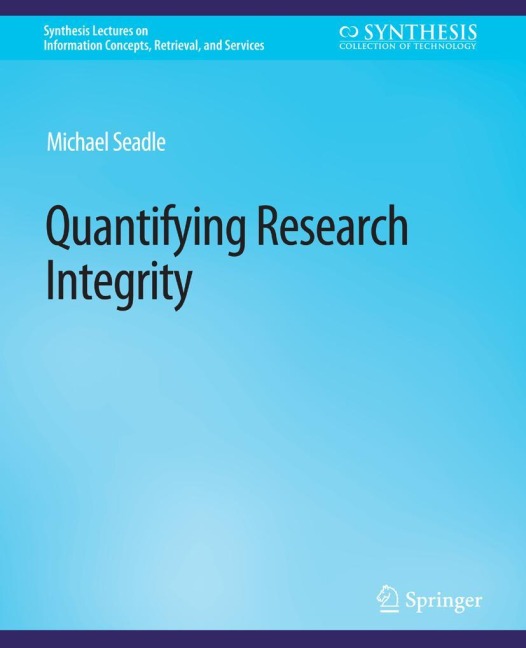
Quantifying Research Integrity - Michael Seadle
-30% ar kodu BOOKS
Piegāde 12-18 darba dienu laikā
30 dienu atgriešanas politika
Institutions typically treat research integrity violations as black and white, right or wrong. The result is that the wide range of grayscale nuances that separate accident, carelessness, and bad practice from deliberate fraud and malpractice often get lost. This lecture looks at how to quantify the grayscale range in three kinds of research integrity violations: plagiarism, data falsification, and image ma ... Pilns apraksts
Jums varētu patikt arī
 TOP
TOP

If Anyone Builds It, Everyone Dies: Why Superhuman AI Would Kill Us All
Eliezer Yudkowsky, Nate Soares
-30% ar kodu BOOKS
Piegādātāja noliktavā
 TOP
TOP

Gödel, Escher, Bach: An Eternal Golden Braid
-30% ar kodu BOOKS
Piegādātāja noliktavā
TOP
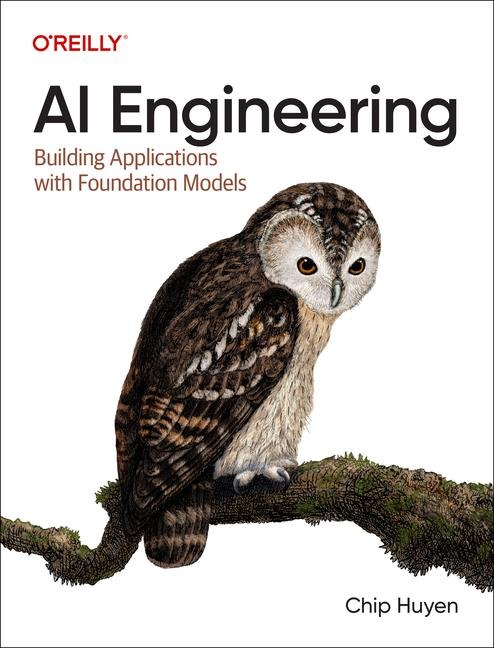
AI Engineering: Building Applications with Foundation Models
-30% ar kodu BOOKS
Piegādātāja noliktavā
TOP
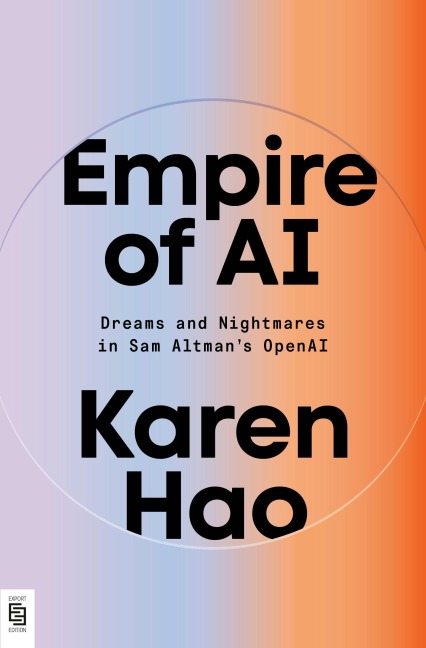
Empire of AI: Dreams and Nightmares in Sam Altman's OpenAI
-30% ar kodu BOOKS
Piegādātāja noliktavā
TOP


The Rust Programming Language
Steve Klabnik, Carol Nichols, Chris Krycho
-30% ar kodu BOOKS
Piegādātāja noliktavā
TOP
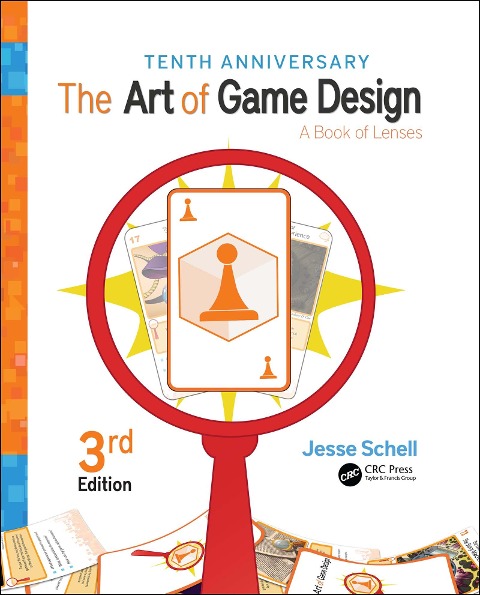
The Art of Game Design: A Book of Lenses
-30% ar kodu BOOKS
Piegādātāja noliktavā
TOP
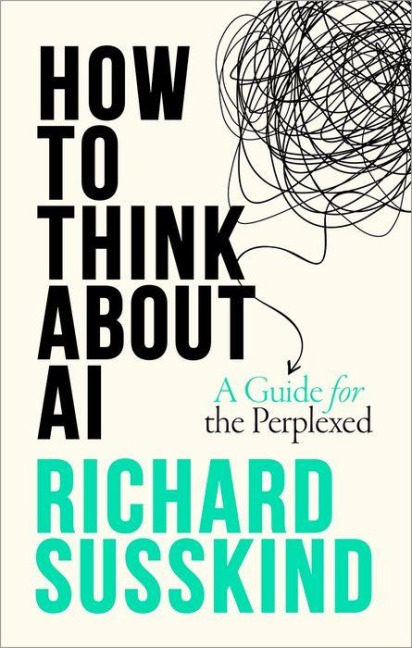
How To Think About AI: A Guide For The Perplexed
-30% ar kodu BOOKS
Piegādātāja noliktavā
TOP
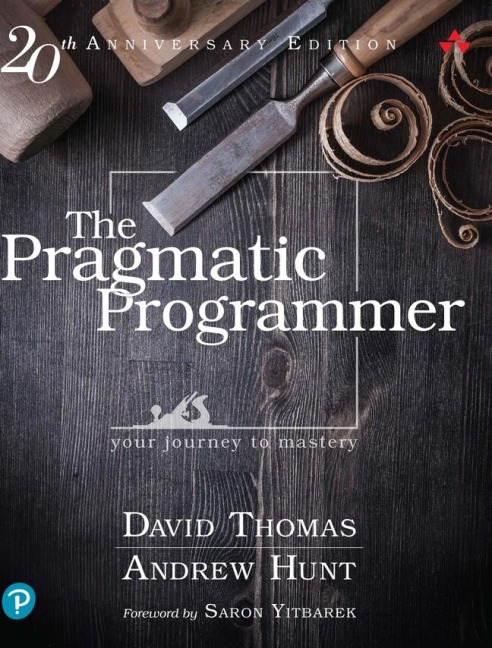
The Pragmatic Programmer: journey to mastery, 20th Anniversary Edition, 2/e: your journey to mastery, 20th Anniversary Edition
-30% ar kodu BOOKS
Piegādātāja noliktavā
TOP
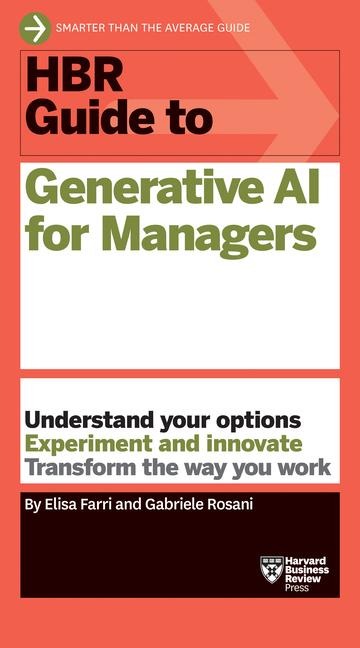
HBR Guide to Generative AI for Managers
-30% ar kodu BOOKS
Piegādātāja noliktavā
TOP
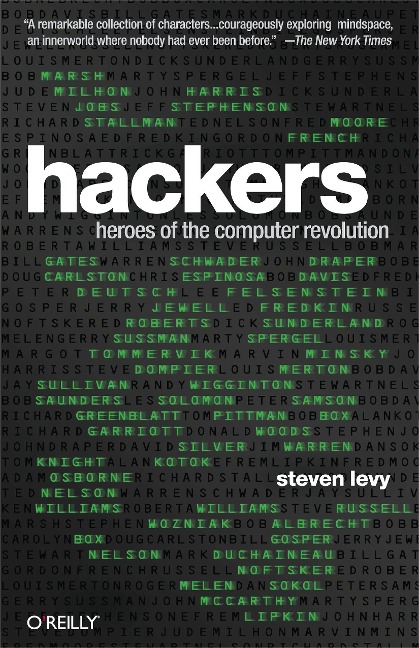
Hackers. 25th Anniversary Edition: Heroes of the Computer Revolution
-30% ar kodu BOOKS
Piegādātāja noliktavā
TOP
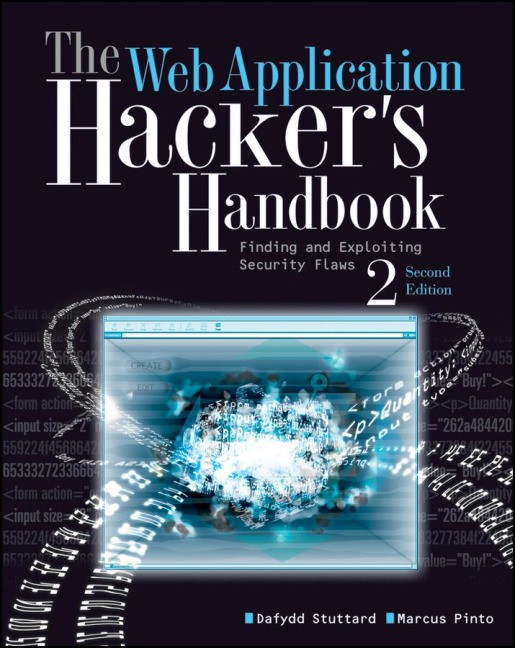
The Web Application Hacker's Handbook: Discovering and Exploiting Security Flaws
-30% ar kodu BOOKS
Piegādātāja noliktavā
TOP

How Linux Works: What Every Superuser Should Know
-30% ar kodu BOOKS
Piegādātāja noliktavā
TOP
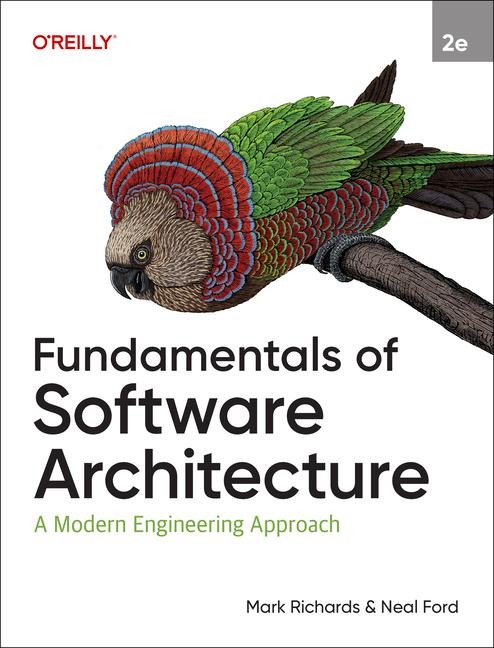
Fundamentals of Software Architecture: A Modern Engineering Approach
-30% ar kodu BOOKS
Piegādātāja noliktavā
TOP
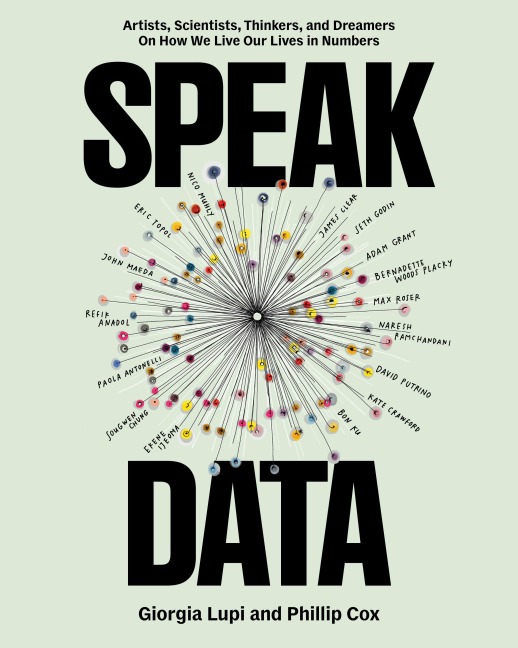
Speak Data: Artists, Scientists, Thinkers, and Dreamers on How We Live Our Lives in Numbers
-30% ar kodu BOOKS
Piegādātāja noliktavā
TOP
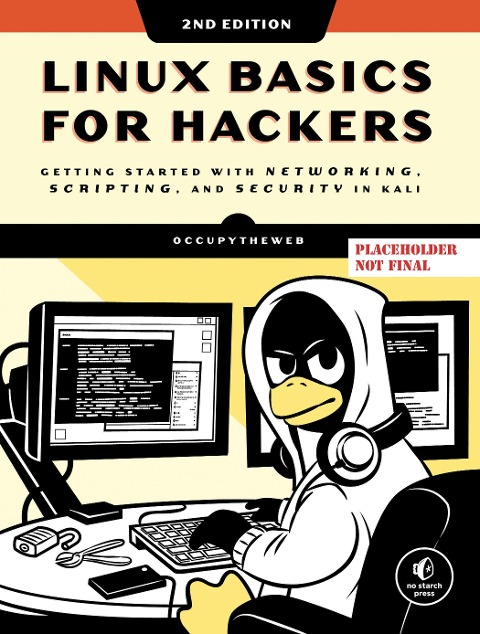
Linux Basics for Hackers, 2nd Edition: Getting Started with Networking, Scripting, and Security in Kali
-30% ar kodu BOOKS
Piegādātāja noliktavā
TOP
Deep Learning: Foundations and Concepts
Christopher M. Bishop, Hugh Bishop
-30% ar kodu BOOKS
Piegādātāja noliktavā
TOP

Mathematics for Machine Learning
Cheng Soon Ong, A. Aldo Faisal, Marc Peter Deisenroth
-30% ar kodu BOOKS
Piegādātāja noliktavā
 TOP
TOP
Artificial Intelligence: A Modern Approach, Global Edition
-30% ar kodu BOOKS
Piegādātāja noliktavā
Aprašymas
Institutions typically treat research integrity violations as black and white, right or wrong. The result is that the wide range of grayscale nuances that separate accident, carelessness, and bad practice from deliberate fraud and malpractice often get lost. This lecture looks at how to quantify the grayscale range in three kinds of research integrity violations: plagiarism, data falsification, and image manipulation. Quantification works best with plagiarism, because the essential one-to-one matching algorithms are well known and established tools for detecting when matches exist. Questions remain, however, of how many matching words of what kind in what location in which discipline constitute reasonable suspicion of fraudulent intent. Different disciplines take different perspectives on quantity and location. Quantification is harder with data falsification, because the original data are often not available, and because experimental replication remains surprisingly difficult. The same is true with image manipulation, where tools exist for detecting certain kinds of manipulations, but where the tools are also easily defeated. This lecture looks at how to prevent violations of research integrity from a pragmatic viewpoint, and at what steps can institutions and publishers take to discourage problems beyond the usual ethical admonitions. There are no simple answers, but two measures can help: the systematic use of detection tools and requiring original data and images. These alone do not suffice, but they represent a start. The scholarly community needs a better awareness of the complexity of research integrity decisions. Only an open and wide-spread international discussion can bring about a consensus on where the boundary lines are and when grayscale problems shade into black. One goal of this work is to move that discussion forward.
Vairāk informācijas
| Autors | Michael Seadle |
|---|---|
| Izdevējs | Springer Nature Switzerland |
| Series | Synthesis Lectures on Information Concepts, Retrieval, and Services |
| Izlaides gads | 2016 |
| Vāka tips | Mīkstais vāks |
| EAN | 9783031011788 |