
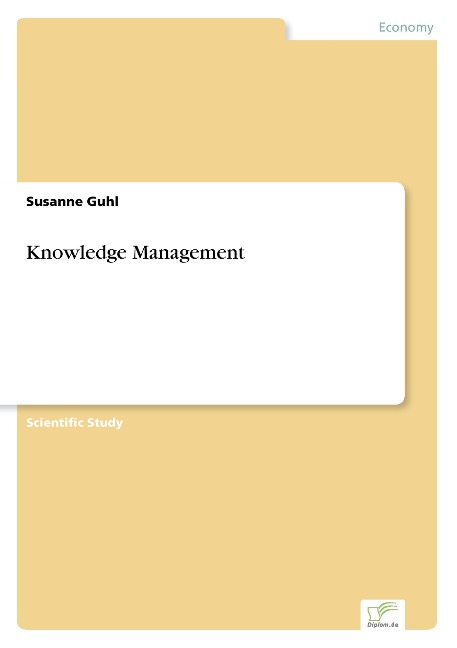
Knowledge Management - Susanne Guhl
-30% ar kodu BOOKS
Piegāde 12-18 darba dienu laikā
30 dienu atgriešanas politika
Inhaltsangabe:Abstract: The following report explores the main aspects of knowledge management. The history of knowledge management reveals that different trends and developments influenced the evolution of a new management theory. Advanced information technologies that enable global knowledge-sharing and the recognition that people are the most valuable resource in a fast changing environment are the main ... Pilns apraksts
Jums varētu patikt arī

 TOP
TOP

Unreasonable Hospitality: The Remarkable Power of Giving People More Than They Expect
-30% ar kodu BOOKS
Piegādātāja noliktavā
 TOP
TOP

Never Split the Difference: Negotiating as if Your Life Depended on It
-30% ar kodu BOOKS
Noliktavā
TOP
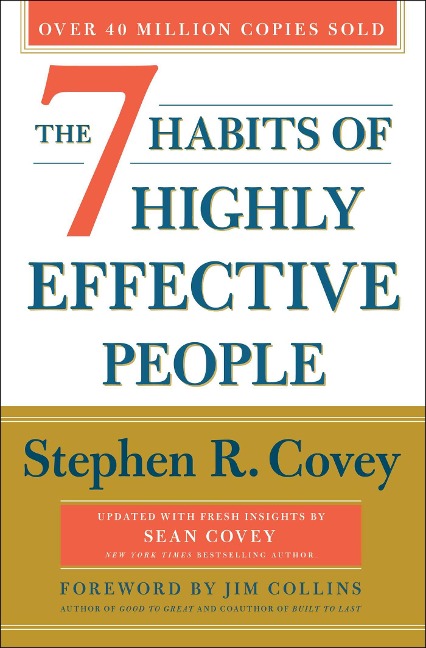
The 7 Habits of Highly Effective People. 30th Anniversary Edition: Powerful Lessons in Personal Change
Jim Collins, Sean Covey, Stephen R. Covey
-30% ar kodu BOOKS
Noliktavā
TOP

Atomic Habits: An Easy & Proven Way to Build Good Habits & Break Bad Ones
-30% ar kodu BOOKS
Piegādātāja noliktavā
TOP

Radical Candor: Be a Kick-Ass Boss Without Losing Your Humanity
-30% ar kodu BOOKS
Piegādātāja noliktavā
TOP

The Psychology of Money: Timeless Lessons on Wealth, Greed, and Happiness
-30% ar kodu BOOKS
Noliktavā
TOP

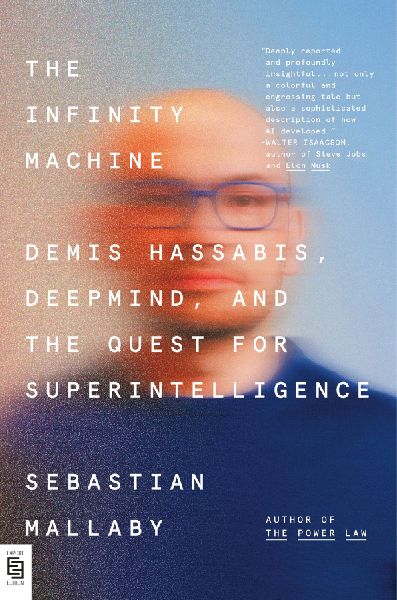
The Infinity Machine: Demis Hassabis, DeepMind, and the Quest for Superintelligence
-30% ar kodu BOOKS
Piegādātāja noliktavā
TOP

Vienna: How the City of Ideas Created the Modern World
-30% ar kodu BOOKS
Piegādātāja noliktavā
TOP

1873: The Rothschilds, the First Great Depression, and the Making of the Modern World
-30% ar kodu BOOKS
Piegādātāja noliktavā
TOP

The Hard Thing about Hard Things: Building a Business When There Are No Easy Answers
-30% ar kodu BOOKS
Noliktavā
TOP
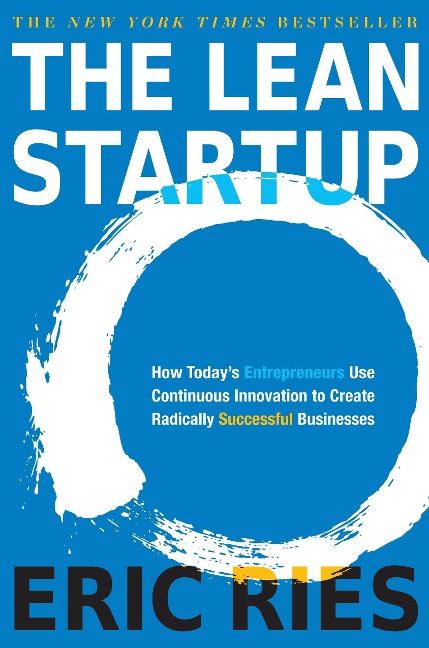
The Lean Startup: How Today's Entrepreneurs Use Continuous Innovation to Create Radically Successful Businesses
-30% ar kodu BOOKS
Noliktavā
TOP

Radical Candor: Be a Kick-Ass Boss Without Losing Your Humanity
-30% ar kodu BOOKS
Piegādātāja noliktavā
 TOP
TOP

Co-Intelligence: Living and Working with AI
-30% ar kodu BOOKS
Piegādātāja noliktavā
TOP

The First 90 Days: Proven Straegies for Getting up to Speed faster and smarter
-30% ar kodu BOOKS
Piegādātāja noliktavā
TOP

Surrounded by Idiots Revised & Expanded Edition: The Four Types of Human Behavior and How to Effectively Communicate with Each in Business (and in Life)
-30% ar kodu BOOKS
Piegādātāja noliktavā
TOP

The Common Good Economy: A New Compass
-30% ar kodu BOOKS
Piegādātāja noliktavā
TOP

Berkshire Hathaway Letters to Shareholders: 1965-2024
-30% ar kodu BOOKS
Piegādātāja noliktavā
Aprašymas
Inhaltsangabe:Abstract: The following report explores the main aspects of knowledge management. The history of knowledge management reveals that different trends and developments influenced the evolution of a new management theory. Advanced information technologies that enable global knowledge-sharing and the recognition that people are the most valuable resource in a fast changing environment are the main reasons why knowledge management has become increasingly important. An attempt to clarify the terminology demonstrates that there is no generally accepted definition of knowledge management. This report defines knowledge management according to the three dimensions content, culture and infrastructure and thus, provides a basic framework to the main knowledge processes. The differentiation between the ?codification? approach and the ?personalisation? approach is essential in the evaluation of the implementation process. The first approach mainly relies on computer systems and databases whereas the latter focuses on person-to-person contacts. Both strategies can be combined to a certain extent, however, the main focus should only be on one of the two strategies. The most common pitfalls for ineffective knowledge-sharing are cultural barriers and the fact that many organisations overestimate the role of technology. Thus, success factors include fostering a knowledge-sharing culture and embedding the use of technology in everyday practice. Inhaltsverzeichnis:Inhaltsverzeichnis: LIST OF TABLESV LIST OF FIGURESV 1.INTRODUCTION6 2.LITERATURE REVIEW7 2.1HISTORY OF KNOWLEDGE MANAGEMENT7 2.1.1INTRODUCTION7 2.1.2LEARNING ORGANISATION7 2.1.3INFORMATION TECHNOLOGY9 2.1.4CHANGING BUSINESS ENVIRONMENT10 2.1.5INCREASED AWARENESS OF THE VALUE OF HUMAN CAPITAL11 2.1.6SUMMARY12 2.2FAD OR REVOLUTION?13 2.3CLARIFICATION OF THE TERMINOLOGY14 2.3.1INTRODUCTION14 2.3.2WHAT IS ?KNOWLEDGE??14 2.3.2.1DISTINCTION BETWEEN DATA, INFORMATION AND KNOWLEDGE14 2.3.2.2EXPLICIT AND TACIT KNOWLEDGE15 2.3.3WHAT IS ?KNOWLEDGE MANAGEMENT??16 2.3.3.1THE THREE DIMENSIONS OF KNOWLEDGE MANAGEMENT16 2.3.3.2SUMMARY AND A WORKING DEFINITION OF KNOWLEDGE MANAGEMENT18 2.4HOW DO YOU IMPLEMENT KNOWLEDGE MANAGEMENT?20 2.4.1WHY COMPANIES CHOOSE KNOWLEDGE MANAGEMENT20 2.4.2MAIN STEPS IN THE IMPLEMENTATION PROCESS23 2.4.2.1CODIFICATION AND PERSONALISATION STRATEGY23 2.4.2.2STAGES IN THE IMPLEMENTATION PROCESS25 2.5CRITICAL ANALYSIS28 2.5.1COMMON [¿]
Vairāk informācijas
| Autors | Susanne Guhl |
|---|---|
| Izdevējs | Diplom.de |
| Izlaides gads | 1999 |
| Vāka tips | Mīkstais vāks |
| EAN | 9783838618050 |