
Finite Model Theory - Heinz-Dieter Ebbinghaus,Jörg Flum

-40% ar kodu BOOKS
Piegāde 10-16 darba dienu laikā
30 dienu atgriešanas politika
Finite model theory, the model theory of finite structures, has roots in clas sical model theory; however, its systematic development was strongly influ enced by research and questions of complexity theory and of database theory. Model theory or the theory of models, as it was first named by Tarski in 1954, may be considered as the part of the semantics of formalized languages that is concerned with the int ... Pilns apraksts
Jums varētu patikt arī
 TOP
TOP

Determined: The Science of Life Without Free Will
-40% ar kodu BOOKS
Piegādātāja noliktavā
TOP

The Light Eaters: How the Unseen World of Plant Intelligence Offers a New Understanding of Life on Earth
-40% ar kodu BOOKS
Piegādātāja noliktavā
 TOP
TOP
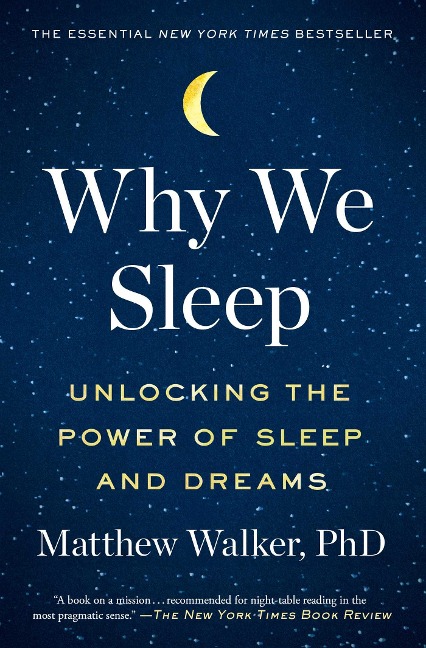
Why We Sleep: Unlocking the Power of Sleep and Dreams
-40% ar kodu BOOKS
Noliktavā
TOP
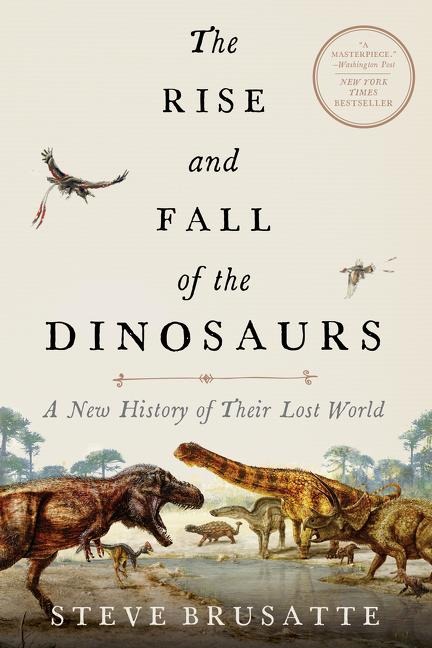
The Rise and Fall of the Dinosaurs: A New History of a Lost World
-40% ar kodu BOOKS
Piegādātāja noliktavā
TOP
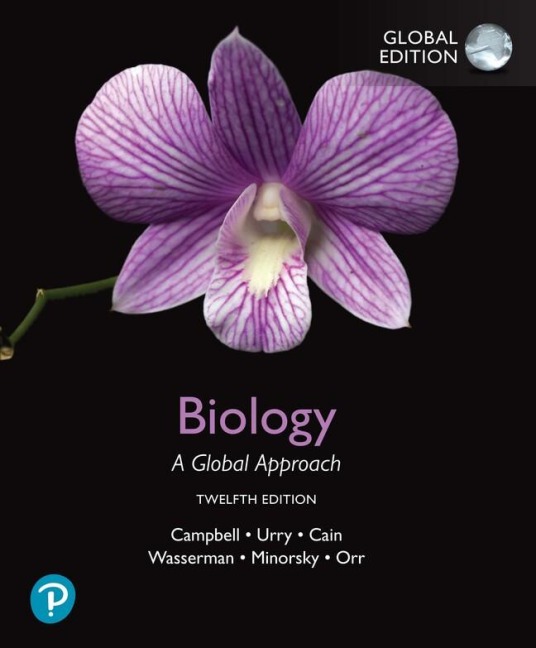
Biology: A Global Approach, Global Edition
Neil Campbell, Rebecca Orr, Lisa Urry, Peter Minorsky, Michael Cain, Jane Reece, Steven Wasserman
-40% ar kodu BOOKS
Piegādātāja noliktavā
TOP

Six Not-so-easy Pieces: Einstein's Relativity, Symmetry, and Space-Time
Richard P. Feynman, Robert B. Leighton, Matthew Sands
-40% ar kodu BOOKS
Piegādātāja noliktavā
TOP

Explaining AuDHD: The expert-led guide to Autism and ADHD Co-concurrence
-40% ar kodu BOOKS
Piegādātāja noliktavā
TOP


The Age of Alchemy: How Early Innovators Shaped Modern Chemistry
-40% ar kodu BOOKS
Piegādātāja noliktavā
TOP
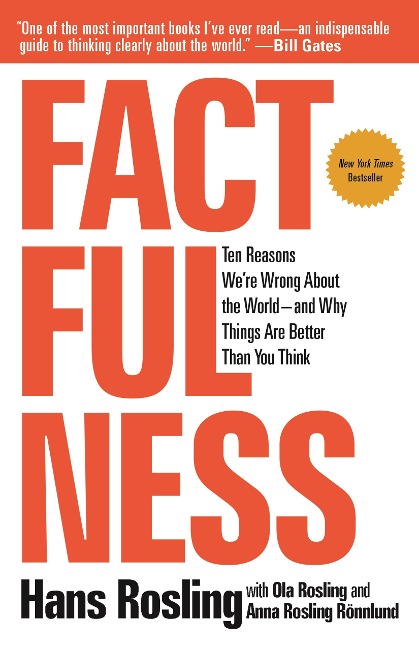
Factfulness: Ten Reasons We're Wrong About the World--and Why Things Are Better Than You Think
Ola Rosling, Anna Rosling Rönnlund, Hans Rosling
-40% ar kodu BOOKS
Piegādātāja noliktavā
TOP
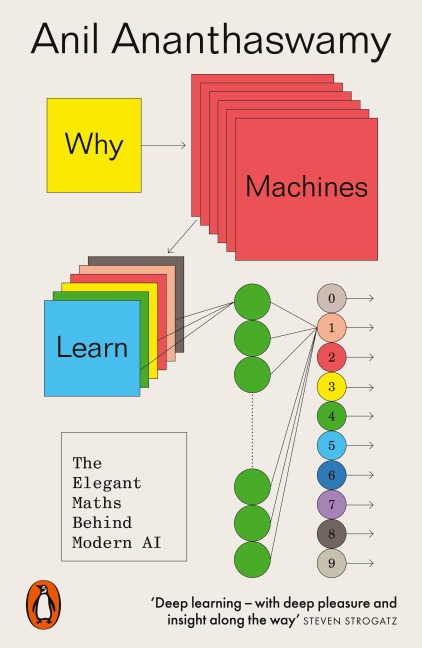
Why Machines Learn: The Elegant Maths Behind Modern AI
-40% ar kodu BOOKS
Piegādātāja noliktavā
 TOP
TOP

Entangled Life: How Fungi Make Our Worlds, Change Our Minds and Shape Our Futures
-40% ar kodu BOOKS
Piegādātāja noliktavā
TOP

Life As No One Knows It: The Physics of Life's Emergence
-40% ar kodu BOOKS
Piegādātāja noliktavā
TOP
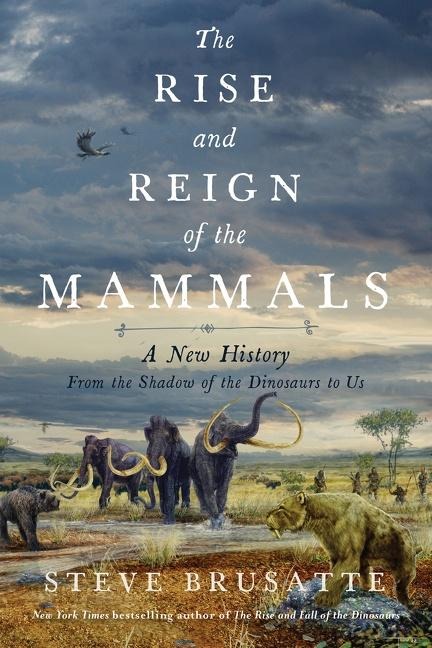
The Rise and Reign of the Mammals: A New History, from the Shadow of the Dinosaurs to Us
-40% ar kodu BOOKS
Piegādātāja noliktavā
TOP

Molecular Biology of the Cell
David Morgan, Alexander Johnson, Rebecca Heald, Bruce Alberts, Martin Raff
-40% ar kodu BOOKS
Piegādātāja noliktavā
TOP
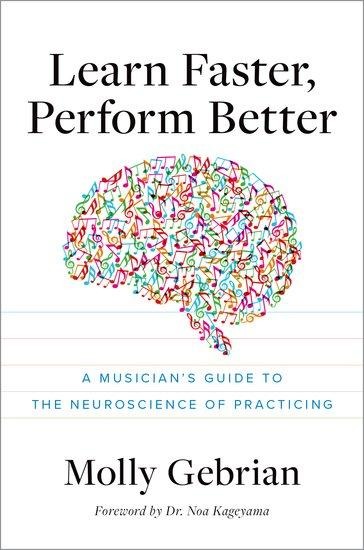
Learn Faster, Perform Better: A Musician's Guide to the Neuroscience of Practicing
-40% ar kodu BOOKS
Piegādātāja noliktavā
TOP

Janeway's Immunobiology
Leslie J. Berg, Kenneth Murphy, Casey Weaver
-40% ar kodu BOOKS
Piegādātāja noliktavā
TOP

The Road to Reality: A Complete Guide to the Laws of the Universe
-40% ar kodu BOOKS
Piegādātāja noliktavā
TOP
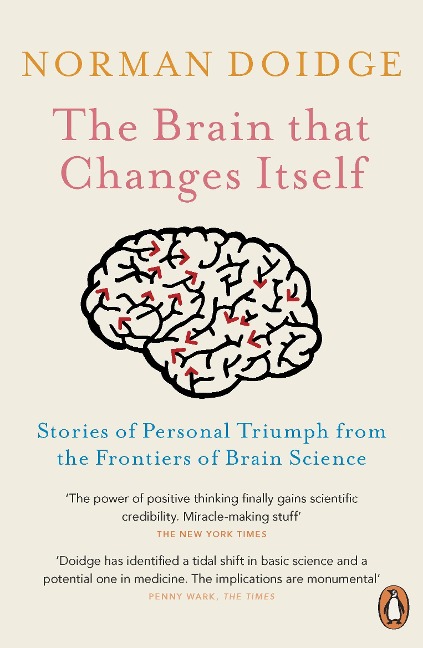
The Brain That Changes Itself: Stories of Personal Triumph from the Frontiers of Brain Science
-40% ar kodu BOOKS
Piegādātāja noliktavā
Aprašymas
Vairāk informācijas
| Autors | Heinz-Dieter Ebbinghaus, Jörg Flum |
|---|---|
| Izdevējs | Springer Berlin Heidelberg |
| Izlaides gads | 2005 |
| Vāka tips | Cietais vāks |
| EAN | 9783540287872 |