
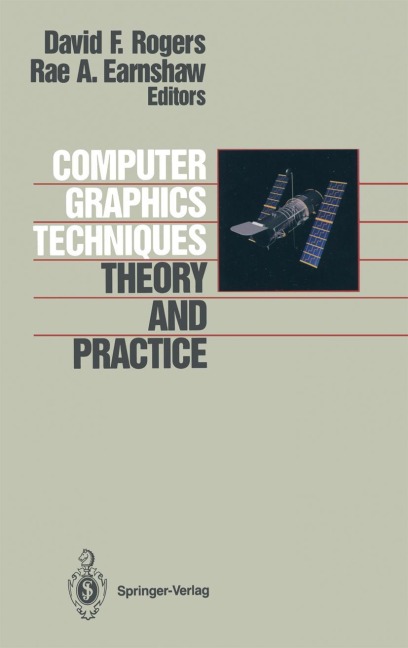
Computer Graphics Techniques: Theory and Practice -
-30% ar kodu BOOKS
Piegāde 12-18 darba dienu laikā
30 dienu atgriešanas politika
In the third paper in this chapter, Mike Pratt provides an historical intro duction to solid modeling. He presents the development of the three most freqently used techniques: cellular subdivision, constructive solid modeling and boundary representation. Although each of these techniques devel oped more or less independently, today the designer's needs dictate that a successful system allows access to all ... Pilns apraksts
Jums varētu patikt arī
 TOP
TOP

If Anyone Builds It, Everyone Dies: Why Superhuman AI Would Kill Us All
Eliezer Yudkowsky, Nate Soares
-30% ar kodu BOOKS
Piegādātāja noliktavā
 TOP
TOP
How To Think About AI: A Guide For The Perplexed
-30% ar kodu BOOKS
Piegādātāja noliktavā
TOP

Gödel, Escher, Bach: An Eternal Golden Braid
-30% ar kodu BOOKS
Piegādātāja noliktavā
TOP
AI Engineering: Building Applications with Foundation Models
-30% ar kodu BOOKS
Piegādātāja noliktavā
TOP
Empire of AI: Dreams and Nightmares in Sam Altman's OpenAI
-30% ar kodu BOOKS
Piegādātāja noliktavā
TOP


The Rust Programming Language
Steve Klabnik, Carol Nichols, Chris Krycho
-30% ar kodu BOOKS
Piegādātāja noliktavā
TOP
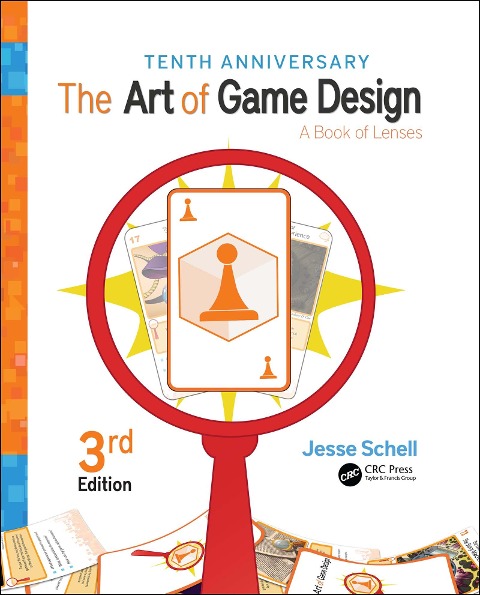
The Art of Game Design: A Book of Lenses
-30% ar kodu BOOKS
Piegādātāja noliktavā
TOP
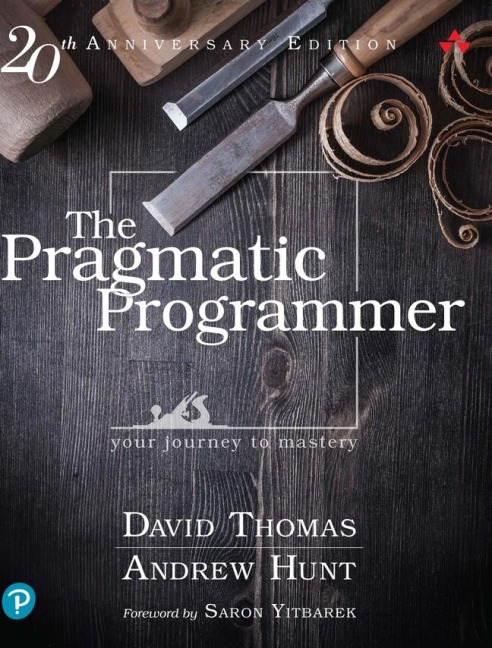
The Pragmatic Programmer: journey to mastery, 20th Anniversary Edition, 2/e: your journey to mastery, 20th Anniversary Edition
-30% ar kodu BOOKS
Piegādātāja noliktavā
TOP
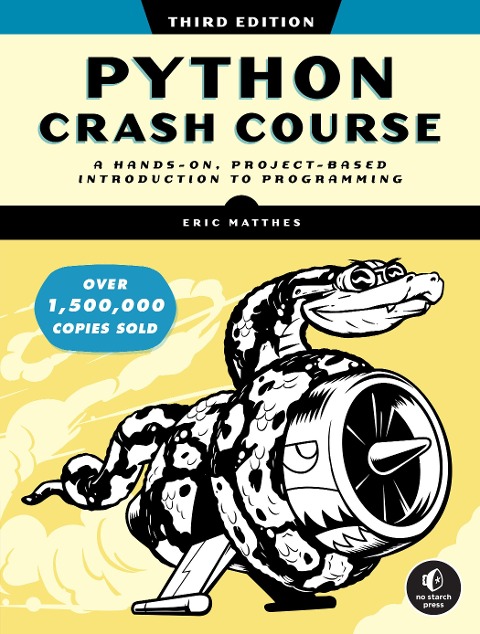
Python Crash Course: A Hands-On, Project-Based Introduction to Programming
-30% ar kodu BOOKS
Piegādātāja noliktavā
TOP
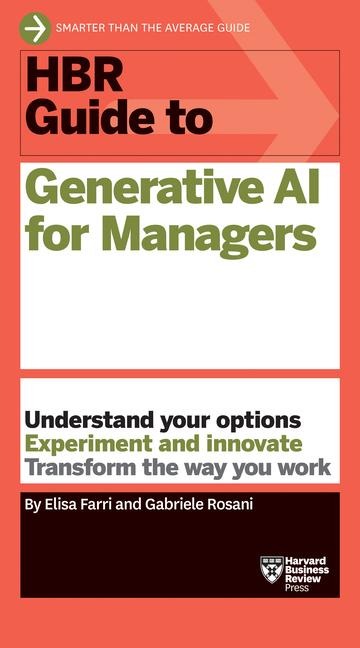
HBR Guide to Generative AI for Managers
-30% ar kodu BOOKS
Piegādātāja noliktavā
TOP
Hackers. 25th Anniversary Edition: Heroes of the Computer Revolution
-30% ar kodu BOOKS
Piegādātāja noliktavā
TOP

How Linux Works: What Every Superuser Should Know
-30% ar kodu BOOKS
Piegādātāja noliktavā
TOP
Hands-On Large Language Models: Language Understanding and Generation
Maarten Grootendorst, Jay Alammar
-30% ar kodu BOOKS
Piegādātāja noliktavā
TOP
Fundamentals of Software Architecture: A Modern Engineering Approach
-30% ar kodu BOOKS
Piegādātāja noliktavā
TOP
Speak Data: Artists, Scientists, Thinkers, and Dreamers on How We Live Our Lives in Numbers
-30% ar kodu BOOKS
Piegādātāja noliktavā
TOP
World of Warcraft Chronicle, Volume 2
-30% ar kodu BOOKS
Piegādātāja noliktavā
TOP

Linux Basics for Hackers, 2nd Edition: Getting Started with Networking, Scripting, and Security in Kali
-30% ar kodu BOOKS
Piegādātāja noliktavā
TOP
Deep Learning: Foundations and Concepts
Christopher M. Bishop, Hugh Bishop
-30% ar kodu BOOKS
Piegādātāja noliktavā
TOP
The Linux Programming Interface: A Linux and UNIX System Programming Handbook
-30% ar kodu BOOKS
Piegādātāja noliktavā
Aprašymas
In the third paper in this chapter, Mike Pratt provides an historical intro duction to solid modeling. He presents the development of the three most freqently used techniques: cellular subdivision, constructive solid modeling and boundary representation. Although each of these techniques devel oped more or less independently, today the designer's needs dictate that a successful system allows access to all of these methods. For example, sculptured surfaces are generally represented using a boundary represen tation. However, the design of a complex vehicle generally dictates that a sculptured surface representation is most efficient for the 'skin' while constructive solid geometry representation is most efficent for the inter nal mechanism. Pratt also discusses the emerging concept of design by 'feature line'. Finally, he addresses the very important problem of data exchange between solid modeling systems and the progress that is being made towards developing an international standard. With the advent of reasonably low cost scientific workstations with rea sonable to outstanding graphics capabilities, scientists and engineers are increasingly turning to computer analysis for answers to fundamental ques tions and to computer graphics for present~tion of those answers. Although the current crop of workstations exhibit quite impressive computational ca pability, they are still not capable of solving many problems in a reasonable time frame, e. g. , executing computational fluid dynamics and finite element codes or generating complex ray traced or radiosity based images. In the sixth chapter Mike Muuss of the U. S.
Vairāk informācijas
| Izdevējs | Springer New York |
|---|---|
| Izlaides gads | 2011 |
| Vāka tips | Mīkstais vāks |
| EAN | 9781461287902 |