
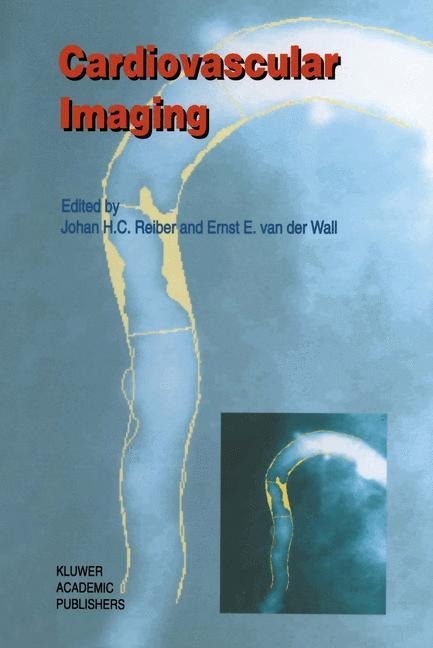
Cardiovascular Imaging -
-30% ar kodu BOOKS
Piegāde 12-18 darba dienu laikā
30 dienu atgriešanas politika
In the past, coronary arteriography was the only modality available to provide high quality images of the coronary anatomy. Quantitative coronary arteriography (QCA) was developed, implemented, validated and extensively applied to obtain accurate and reproducible data about coronary morphology and the functional significance of coronary obstructions. Over the last few years extensive basic technological res ... Pilns apraksts
Jums varētu patikt arī
 TOP
TOP

The Myth of Normal: Trauma, Illness, and Healing in a Toxic Culture
-30% ar kodu BOOKS
Piegādātāja noliktavā
TOP
No Bad Parts: Healing Trauma and Restoring Wholeness with the Internal Family Systems Model
-30% ar kodu BOOKS
Piegādātāja noliktavā
TOP
The Body Keeps the Score: Brain, Mind, and Body in the Healing of Trauma
-30% ar kodu BOOKS
Piegādātāja noliktavā
TOP

On Connection: 'Powerful' MATT HAIG
-30% ar kodu BOOKS
Piegādātāja noliktavā
TOP
Oxford Handbook of Clinical Medicine
Peter Hateley, Iain McGurgan, Ian B. Wilkinson, Tim Raine, Dearbhla Kelly, Kate Wiles
-30% ar kodu BOOKS
Piegādātāja noliktavā
TOP
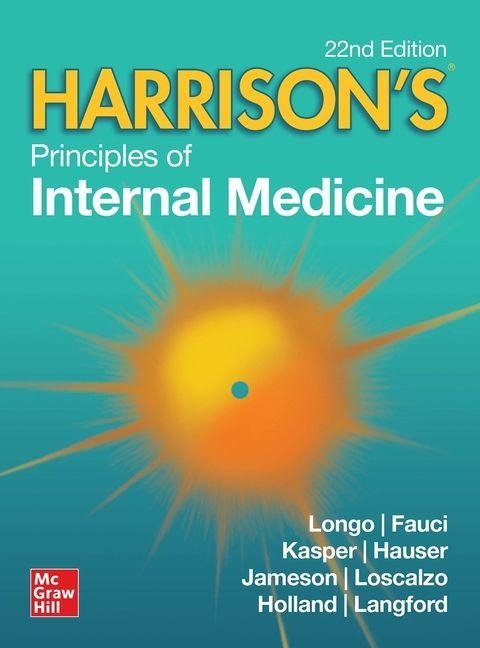
Harrison's Principles of Internal Medicine (Vol.1 & Vol.2)
Stephen Hauser, Joseph Loscalzo, Steven Holland, Dan Longo, J. Larry Jameson, Dennis Kasper, Carol Langford, Anthony Fauci
-30% ar kodu BOOKS
Piegādātāja noliktavā
TOP

The Checklist Manifesto: How to Get Things Right
-30% ar kodu BOOKS
Piegādātāja noliktavā
 TOP
TOP

Maybe You Should Talk to Someone: a therapist, her thearapist, and our lives revealed
-30% ar kodu BOOKS
Piegādātāja noliktavā
 TOP
TOP

How Not To Die: Discover the foods scientifically proven to prevent and reverse disease
-30% ar kodu BOOKS
Piegādātāja noliktavā
TOP
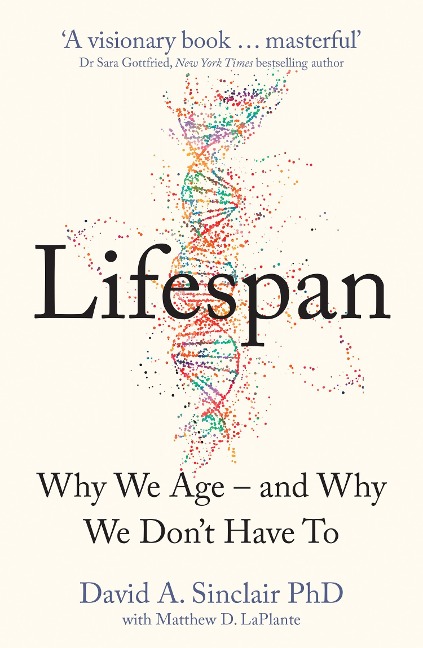
Lifespan: Why We Age - and Why We Don't Have To
-30% ar kodu BOOKS
Piegādātāja noliktavā
TOP
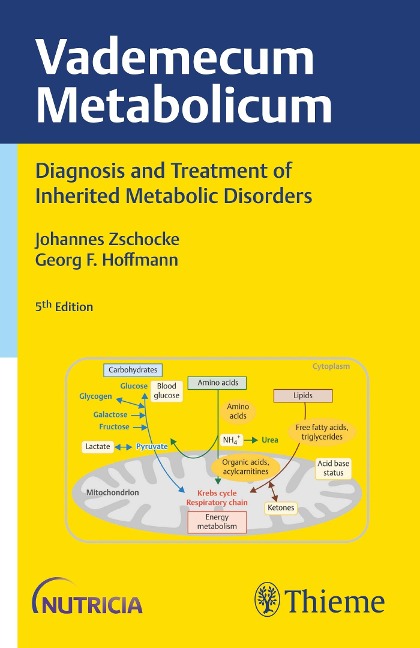
Vademecum Metabolicum: Diagnosis and Treatment of Inborn Errors of Metabolism Forword by William L. Nyhan, San Diego, USA
Johannes Zschocke, Georg F. Hoffmann
-30% ar kodu BOOKS
Piegādātāja noliktavā
TOP

Cellular and Molecular Immunology
Sarah Henrickson, Abul K. Abbas, Andrew H. Lichtman, Shiv Pillai
-30% ar kodu BOOKS
Piegādātāja noliktavā
TOP
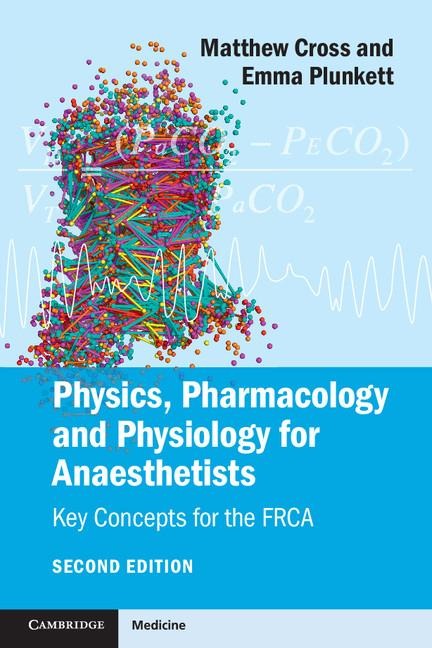
Physics, Pharmacology and Physiology for Anaesthetists: Key Concepts for the FRCA
Matthew E. Cross, Emma V. E. Plunkett
-30% ar kodu BOOKS
Piegādātāja noliktavā
TOP
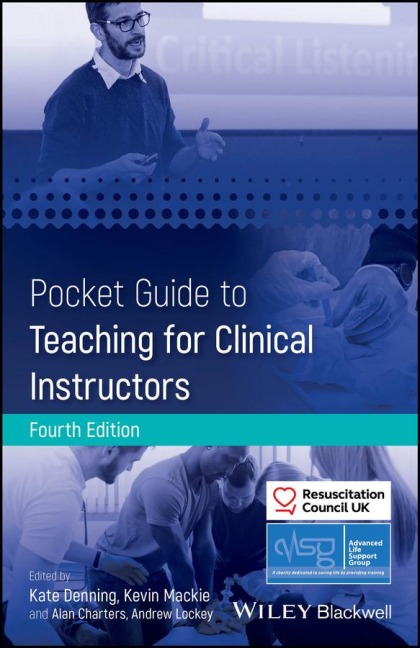
Pocket Guide to Teaching for Clinical Instructors
-30% ar kodu BOOKS
Piegādātāja noliktavā
TOP
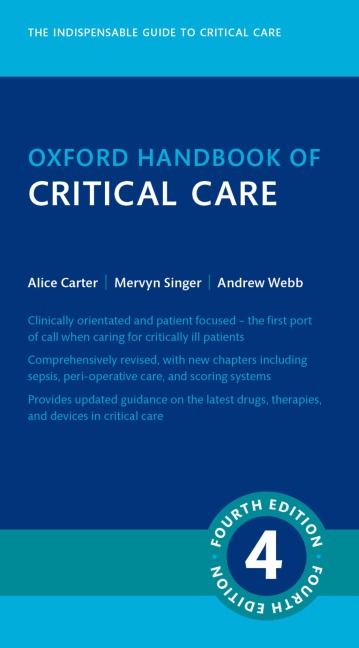
Oxford Handbook of Critical Care
Andrew Webb, Mervyn Singer, Alice Carter
-30% ar kodu BOOKS
Piegādātāja noliktavā
TOP
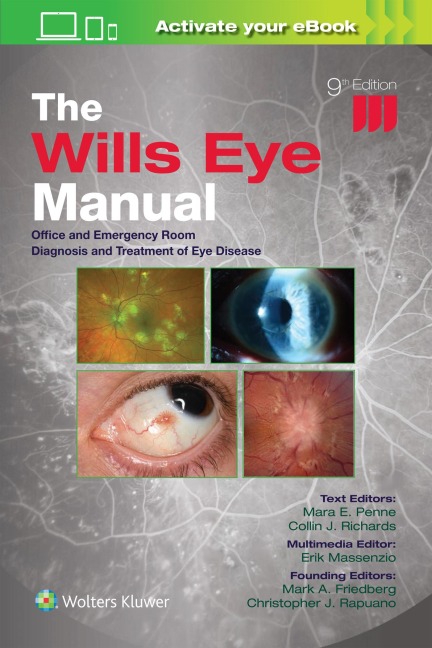
The Wills Eye Manual: Print + eBook with Multimedia: Office and Emergency Room Diagnosis and Treatment of Eye Disease
-30% ar kodu BOOKS
Piegādātāja noliktavā
TOP


Who Deserves Your Love: How to Create Boundaries to Start, Strengthen or End Any Relationship
-30% ar kodu BOOKS
Piegādātāja noliktavā
TOP
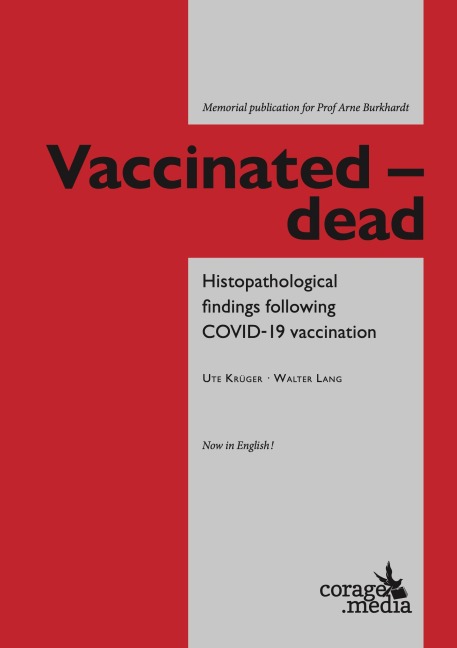
Vaccinated - dead: Histopathological findings following COVID-19 vaccination
-30% ar kodu BOOKS
Piegādātāja noliktavā
Aprašymas
In the past, coronary arteriography was the only modality available to provide high quality images of the coronary anatomy. Quantitative coronary arteriography (QCA) was developed, implemented, validated and extensively applied to obtain accurate and reproducible data about coronary morphology and the functional significance of coronary obstructions. Over the last few years extensive basic technological research supported by clinical investigations has created competing modalities to visualize coronary morphology and the associated perfusion of the myocardial muscle. Currently, the following modalities are available: X-ray coronary arteriography, intracoronary ultrasound, contrast- and stress-echocardiography, angioscopy, nuclear cardiology, magnetic resonance imaging, and cine and spiral CT imaging. For all these imaging modalities, the application of dedicated quantitative analytical software packages enables the evaluation of the imaging studies in a more accurate, reliable, and reproducible manner. These extensions and achievements have resulted in improved diagnostics and subsequently in improved patient care. Particularly in patients with ischaemic heart disease, major progress has been made to detect coronary artery disease in an early phase of the disease process, to follow the atherosclerotic changes in the coronary arteries, to establish the functional and metabolic consequences of the luminal obstructions, and accurately to assess the results of interventional therapy. Aside from all these high-tech developments in cardiac imaging techniques, the transition from the analogue to the digital world has been going on for some time now. For the future, it has been predicted that the CD-R will be the exchange medium for cardiac images and DICOM-3 the standard file format. This has been a major achievement in the field of standardization activities. Since these developments will have a major impact on the way images willbe stored, reviewed and exchanged in the near future, an important part of this book has been dedicated to DICOM and the filmless catheterization laboratory. Cardiovascular Imaging will assist cardiologists, radiologists, nuclear medicine physicians, image processing specialists, physicists, basic scientists, and fellows in training for these specialties to understand the most recent achievements in cardiac imaging techniques and their impact on cardiovascular medicine.
Vairāk informācijas
| Izdevējs | Springer Netherlands |
|---|---|
| Series | Developments in Cardiovascular Medicine |
| Izlaides gads | 2011 |
| Vāka tips | Mīkstais vāks |
| EAN | 9789401066167 |