
Aghora - Ratnesh Dwivedi

-40% ar kodu BOOKS
Piegāde 10-16 darba dienu laikā
30 dienu atgriešanas politika
What exactly is Aghora and why does it invoke a strange reaction from even articulate Hindus? Before even going into an exploration of the fundamental values of this path, let us understand that the name Aghora - meaning non-terrifying - is one of the names of Lord Shiva. His southern face is called Aghora, south representing death and the cremation ground. Thus, the very first thing we learn is that Aghora ... Pilns apraksts
Jums varētu patikt arī
 TOP
TOP

Think and Grow Rich: The Landmark Bestseller Now Revised and Updated for the 21st Century
-40% ar kodu BOOKS
Noliktavā
TOP

Rich Dad Poor Dad. 25th Anniversary Edition: What the Rich Teach Their Kids About Money That the Poor and Middle Class Do Not!
-40% ar kodu BOOKS
Noliktavā
 TOP
TOP

Designing Your Life: How to Build a Well-Lived, Joyful Life
-40% ar kodu BOOKS
Piegādātāja noliktavā
 TOP
TOP

The Diary of a CEO: The 33 Laws of Business and Life
-40% ar kodu BOOKS
Piegādātāja noliktavā
TOP


Maintenance of Everything: Part One
-40% ar kodu BOOKS
Piegādātāja noliktavā
TOP

How to Talk So Kids Will Listen & Listen So Kids Will Talk
-40% ar kodu BOOKS
Noliktavā
TOP

The Subtle Art of Not Giving a F*ck: A Counterintuitive Approach to Living a Good Life
-40% ar kodu BOOKS
Piegādātāja noliktavā
 TOP
TOP

Tuesdays with Morrie: An old man, a young man, and life's greatest lesson
-40% ar kodu BOOKS
Noliktavā
TOP
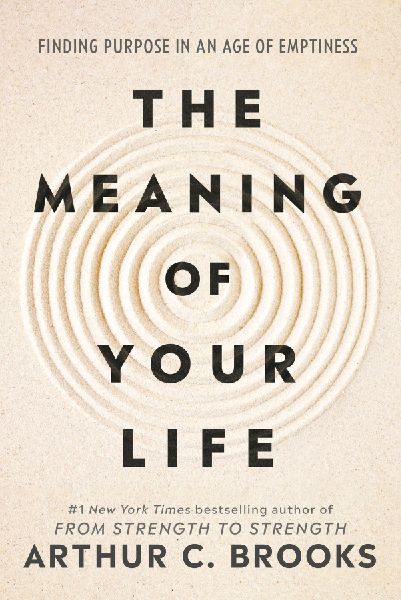
The Meaning of Your Life: Finding Purpose in an Age of Emptiness
-40% ar kodu BOOKS
Piegādātāja noliktavā
TOP
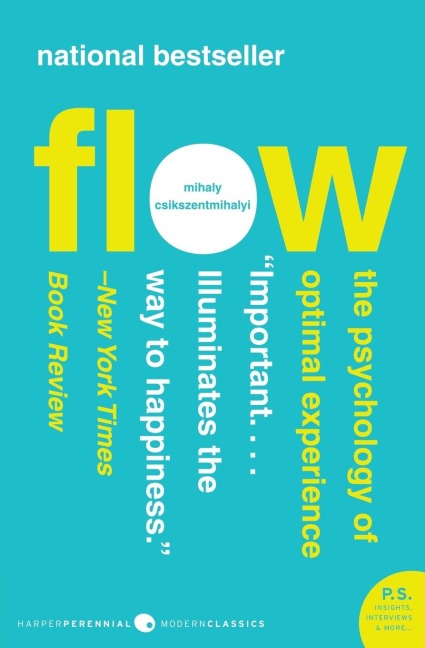
Flow: The Psychology of Optimal Experience
-40% ar kodu BOOKS
Piegādātāja noliktavā
TOP

The Book You Wish Your Parents Had Read (and Your Children Will Be Glad That You Did)
-40% ar kodu BOOKS
Piegādātāja noliktavā
TOP

Montessori Baby: A Parent's Guide to Nurturing Your Baby with Love, Respect, and Understanding
Junnifa Uzodike, Simone Davies
-40% ar kodu BOOKS
Piegādātāja noliktavā
TOP

The Ballad of Falling Dragons (Deluxe Edition): A Novel
-40% ar kodu BOOKS
Piegādātāja noliktavā
TOP

The Let Them Theory: A Life-Changing Tool That Millions of People Can't Stop Talking About
-40% ar kodu BOOKS
Piegādātāja noliktavā
 TOP
TOP

Rich Dad's Cashflow Quadrant: Guide to Financial Freedom
-40% ar kodu BOOKS
Piegādātāja noliktavā
TOP

What Got You Here Won't Get You There: How successful people become even more successful
-40% ar kodu BOOKS
Piegādātāja noliktavā
Aprašymas
Vairāk informācijas
| Autors | Ratnesh Dwivedi |
|---|---|
| Izdevējs | Amazon Digital Services LLC - Kdp |
| Izlaides gads | 2018 |
| Vāka tips | Mīkstais vāks |
| EAN | 9781790507276 |