
Advances in Object-Oriented Database Systems -
-30% ar kodu BOOKS
Piegāde 12-18 darba dienu laikā
30 dienu atgriešanas politika
Object-oriented database management systems (OODBMSs) have generated significant excitement in the database community in the last decade. This interest stems from a real need for data management support for what are called "advanced application areas" that are not well-served by relational technology. The case for object-oriented technology has been made on three fronts. First is the data modeling requireme ... Pilns apraksts
Jums varētu patikt arī

 TOP
TOP

If Anyone Builds It, Everyone Dies: Why Superhuman AI Would Kill Us All
Eliezer Yudkowsky, Nate Soares
-30% ar kodu BOOKS
Piegādātāja noliktavā
TOP

Gödel, Escher, Bach: An Eternal Golden Braid
-30% ar kodu BOOKS
Piegādātāja noliktavā
TOP
AI Engineering: Building Applications with Foundation Models
-30% ar kodu BOOKS
Piegādātāja noliktavā
TOP


The Rust Programming Language
Steve Klabnik, Carol Nichols, Chris Krycho
-30% ar kodu BOOKS
Piegādātāja noliktavā
TOP
The Art of Game Design: A Book of Lenses
-30% ar kodu BOOKS
Piegādātāja noliktavā
TOP
How To Think About AI: A Guide For The Perplexed
-30% ar kodu BOOKS
Piegādātāja noliktavā
TOP
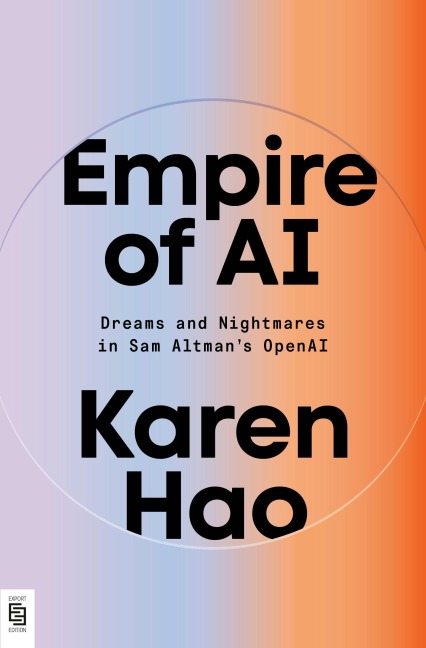
Empire of AI: Dreams and Nightmares in Sam Altman's OpenAI
-30% ar kodu BOOKS
Piegādātāja noliktavā
TOP
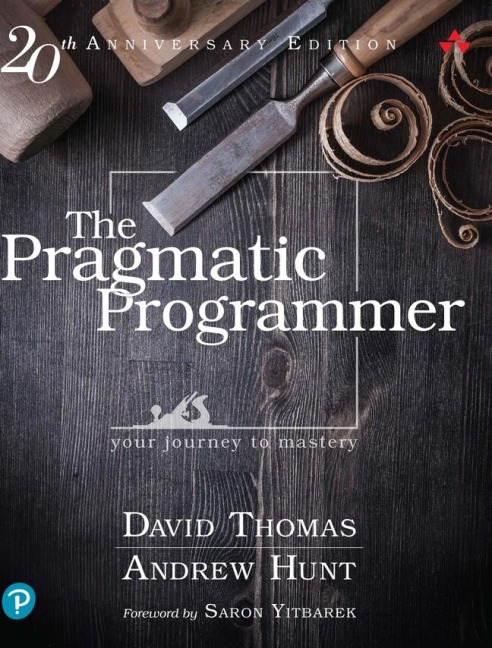
The Pragmatic Programmer: journey to mastery, 20th Anniversary Edition, 2/e: your journey to mastery, 20th Anniversary Edition
-30% ar kodu BOOKS
Piegādātāja noliktavā
TOP
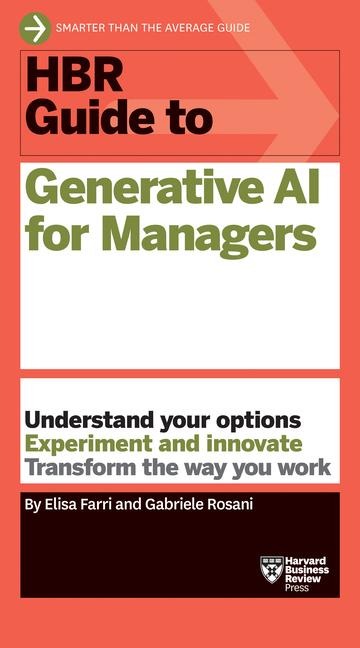
HBR Guide to Generative AI for Managers
-30% ar kodu BOOKS
Piegādātāja noliktavā
TOP
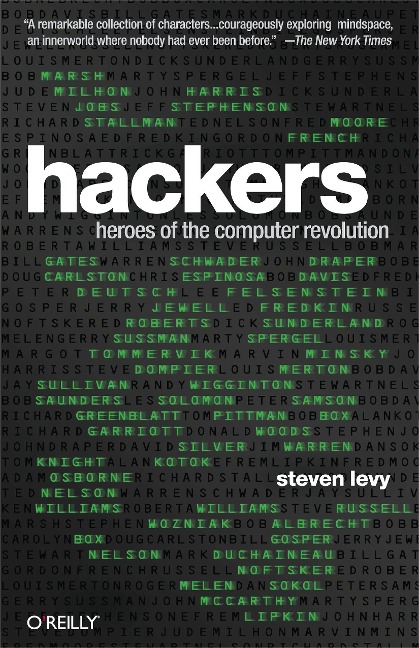
Hackers. 25th Anniversary Edition: Heroes of the Computer Revolution
-30% ar kodu BOOKS
Piegādātāja noliktavā
TOP

The Web Application Hacker's Handbook: Discovering and Exploiting Security Flaws
-30% ar kodu BOOKS
Piegādātāja noliktavā
TOP

How Linux Works: What Every Superuser Should Know
-30% ar kodu BOOKS
Piegādātāja noliktavā
TOP
Artificial Intelligence: A Modern Approach, Global Edition
-30% ar kodu BOOKS
Piegādātāja noliktavā
TOP
Python Crash Course: A Hands-On, Project-Based Introduction to Programming
-30% ar kodu BOOKS
Piegādātāja noliktavā
TOP
Fundamentals of Software Architecture: A Modern Engineering Approach
-30% ar kodu BOOKS
Piegādātāja noliktavā
TOP
Speak Data: Artists, Scientists, Thinkers, and Dreamers on How We Live Our Lives in Numbers
-30% ar kodu BOOKS
Piegādātāja noliktavā
TOP

Linux Basics for Hackers, 2nd Edition: Getting Started with Networking, Scripting, and Security in Kali
-30% ar kodu BOOKS
Piegādātāja noliktavā
TOP
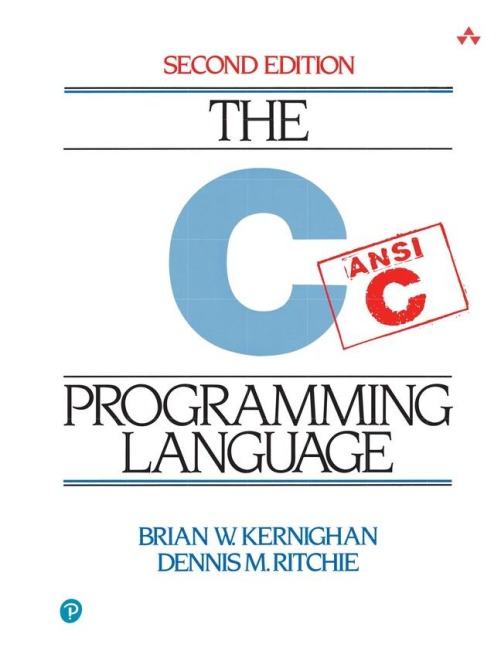
C Programming Language
Brian W. Kernighan, Brian Kernighan, Dennis Ritchie
-30% ar kodu BOOKS
Piegādātāja noliktavā
TOP

Mathematics for Machine Learning
Cheng Soon Ong, A. Aldo Faisal, Marc Peter Deisenroth
-30% ar kodu BOOKS
Piegādātāja noliktavā
Aprašymas
Object-oriented database management systems (OODBMSs) have generated significant excitement in the database community in the last decade. This interest stems from a real need for data management support for what are called "advanced application areas" that are not well-served by relational technology. The case for object-oriented technology has been made on three fronts. First is the data modeling requirements of the new applications. Some of the more important shortcomings of the relational systems in meeting the requirements of these applications include: 1. Relational systems deal with a single object type: a relation. A relation is used to model different real-world objects, but the semantics of this association is not part of the database. Furthermore, the attributes of a relation may come only from simple and fixed data type domains (numeric, character, and, sometimes, date types). Advanced applications require explicit storage and manipulation of more abstract types (e.g., images, design documents) and the ability for the users to define their own application-specific types. Therefore, a rich type system supporting user defined abstract types is required. 2. The relational model structures data in a relatively simple and flat manner. Non traditional applications require more complex object structures with nested objects (e.g., a vehicle object containing an engine object).
Vairāk informācijas
| Izdevējs | Springer Berlin Heidelberg |
|---|---|
| Series | NATO ASI Subseries F: |
| Izlaides gads | 2012 |
| Vāka tips | Mīkstais vāks |
| EAN | 9783642634109 |