
A Systolic Array Parallelizing Compiler - Ping-Sheng Tseng

-30% ar kodu BOOKS
Piegāde 17-23 darba dienu laikā
30 dienu atgriešanas politika
Widespread use of parallel processing will become a reality only if the process of porting applications to parallel computers can be largely automated. Usually it is straightforward for a user to determine how an application can be mapped onto a parallel machine; however, the actual development of parallel code, if done by hand, is typically difficult and time consuming. Parallelizing compilers, which can g ... Pilns apraksts
Jums varētu patikt arī


 TOP
TOP
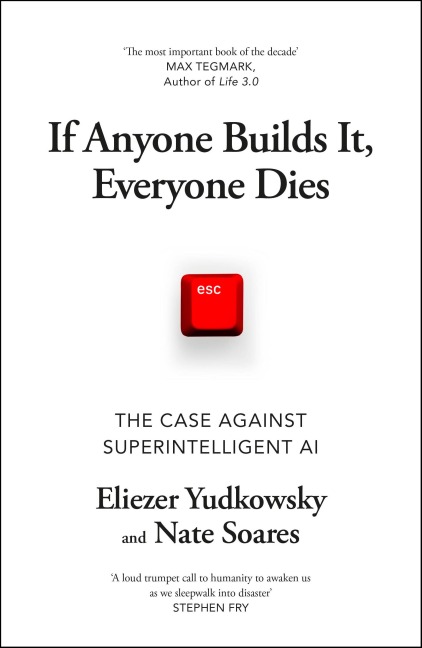
If Anyone Builds It, Everyone Dies: The Case Against Superintelligent AI
Eliezer Yudkowsky, Nate Soares
-30% ar kodu BOOKS
Piegādātāja noliktavā
TOP


We Are Not Machines: The Fight for the Future of Work
-30% ar kodu BOOKS
Piegādātāja noliktavā
TOP
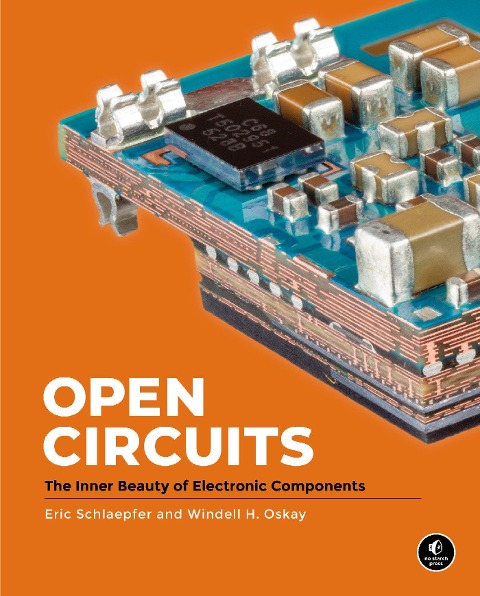
Open Circuits: The Inner Beauty of Electronic Components
Eric Schlaepfer, Windell Oskay
-30% ar kodu BOOKS
Piegādātāja noliktavā
TOP
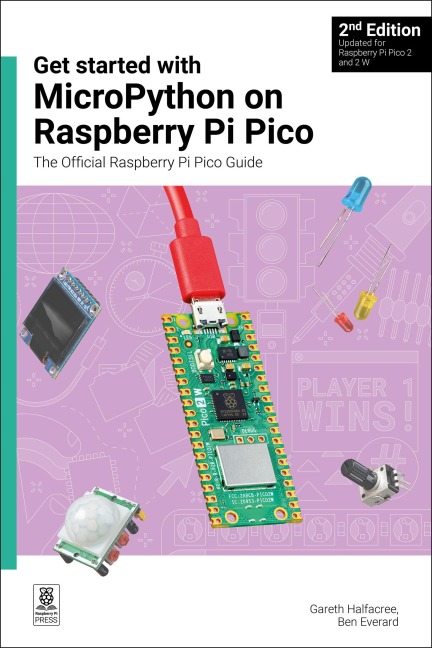
Get started with MicroPython on Raspberry Pi Pico: The Official Raspberry Pi Pico Guide
-30% ar kodu BOOKS
Piegādātāja noliktavā
TOP
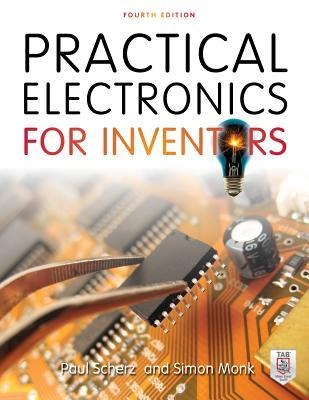
Practical Electronics for Inventors
-30% ar kodu BOOKS
Piegādātāja noliktavā
TOP

Fundamentals of Aerodynamics ISE
Christopher Cadou, John D. Anderson
-30% ar kodu BOOKS
Piegādātāja noliktavā
TOP

Nucleo Boards Programming with the STM32CubeIDE: Hands-on in more than 50 projects
-30% ar kodu BOOKS
Piegādātāja noliktavā
TOP

Black Holes: The Key to Understanding the Universe
-30% ar kodu BOOKS
Piegādātāja noliktavā
TOP
KiCad Like A Pro - Fundamentals and Projects: Getting started with the world's best open-source PCB tool
-30% ar kodu BOOKS
Piegādātāja noliktavā
TOP

Make: Electronics: Learning by Discovery: A hands-on primer for the new electronics enthusiast
-30% ar kodu BOOKS
Piegādātāja noliktavā
TOP
Data-Driven Science and Engineering: Machine Learning, Dynamical Systems, and Control
Steven L. Brunton, J. Nathan Kutz
-30% ar kodu BOOKS
Piegādātāja noliktavā
TOP

Flowers For Algernon: A Modern Literary Classic
-30% ar kodu BOOKS
Piegādātāja noliktavā
TOP

Foundations of Flavor: The Noma Guide to Fermentation: Including Step-By-Step Information on Making and Cooking with: Koji, Kombuchas, Shoyus, Misos, Vinegars, Garums, Lacto-Ferments and black Fruits Vegetables
-30% ar kodu BOOKS
Piegādātāja noliktavā
TOP
Professional SMD Assembly: Practical Low-Cost Methods for Reliable PCB Production
-30% ar kodu BOOKS
Piegādātāja noliktavā
TOP

Digital Design and Computer Architecture, RISC-V Edition
-30% ar kodu BOOKS
Piegādātāja noliktavā
TOP

Blood in the Machine: The Origins of the Rebellion Against Big Tech
-30% ar kodu BOOKS
Piegādātāja noliktavā
TOP

Mastering the Arduino Uno R4: Programming and Projects for the Minima and WiFi
-30% ar kodu BOOKS
Piegādātāja noliktavā
TOP

Collection of Exercises for PLC Programming: 100 programming exercises from beginner to expert level
-30% ar kodu BOOKS
Piegādātāja noliktavā
Aprašymas
Widespread use of parallel processing will become a reality only if the process of porting applications to parallel computers can be largely automated. Usually it is straightforward for a user to determine how an application can be mapped onto a parallel machine; however, the actual development of parallel code, if done by hand, is typically difficult and time consuming. Parallelizing compilers, which can gen erate parallel code automatically, are therefore a key technology for parallel processing. In this book, Ping-Sheng Tseng describes a parallelizing compiler for systolic arrays, called AL. Although parallelizing compilers are quite common for shared-memory parallel machines, the AL compiler is one of the first working parallelizing compilers for distributed memory machines, of which systolic arrays are a special case. The AL compiler takes advantage of the fine grain and high bandwidth interprocessor communication capabilities in a systolic architecture to generate efficient parallel code. xii Foreword While capable of handling an important class of applications, AL is not intended to be a general-purpose parallelizing compiler.
Vairāk informācijas
| Autors | Ping-Sheng Tseng |
|---|---|
| Izdevējs | Springer US |
| Series | The Springer International Series in Engineering and Computer Science |
| Izlaides gads | 1990 |
| Vāka tips | Cietais vāks |
| EAN | 9780792391227 |